Adriatic Dolphin 'Oliver' Pulls Swimmer Underwater; Experts Urge Caution
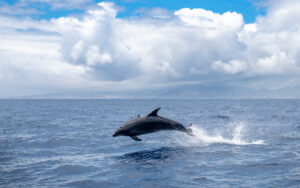
The Adriatic dolphin known as Oliver, famous for frequent interactions with swimmers and boats, has once again captured public attention. In a recent incident in the Novigrad Sea, Oliver briefly pulled a swimmer underwater during play. Footage of the event quickly circulated on social media, reigniting discussions about the dolphin's behavior. Experts are now issuing strong appeals to the public, urging people not to approach Oliver. This incident highlights the complex relationship between humans and wild marine life, especially when animals become accustomed to human presence. While Oliver's interactions have often been perceived as friendly, this event serves as a stark reminder of his wild nature. Authorities and marine biologists are concerned about potential risks to both the public and the dolphin. They emphasize that despite his familiarity, Oliver remains a wild animal whose behavior can be unpredictable. The appeals aim to prevent future incidents and ensure the safety of everyone involved, while also protecting Oliver from potential harm or stress caused by excessive human proximity.
The interactions between the dolphin Oliver and humans, while initially perceived as benign or even friendly, underscore the inherent risks of habituating wild animals to human presence. As Oliver has become a notable figure in the Adriatic, the boundary between natural behavior and learned responses to human stimuli has blurred. This incident, where the dolphin pulled a swimmer underwater, serves as a critical juncture, prompting expert intervention to re-establish safe distances. The situation highlights a broader challenge in wildlife management: balancing public fascination and engagement with the imperative of animal welfare and public safety. Future strategies will likely need to focus on educating the public about the unpredictable nature of wild animals, even those that appear accustomed to humans, to mitigate risks and prevent potential harm to both species. This also raises questions about the long-term ecological and behavioral impacts of such close human-wildlife proximity in popular tourist areas.
AI-generated to prompt reflection — not editorial opinion, not advice, not a statement of fact. How this works.