Adverse Weather Halves LNG Supply, Exacerbating Gas Shortage
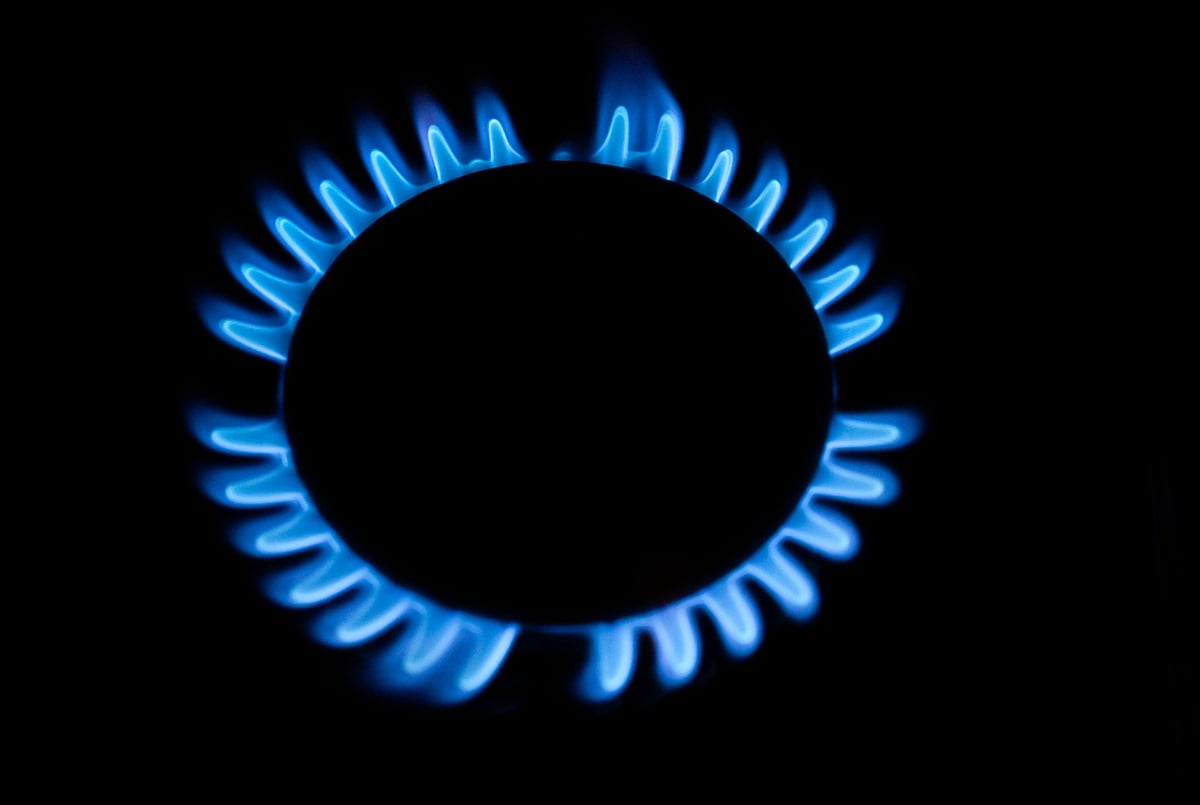
Adverse weather conditions have significantly impacted liquefied natural gas (LNG) supply, leading to a 30% reduction across the country. This decrease in LNG availability has already resulted in a nationwide drop in gas supply. Consequently, many households may face difficulties with cooking gas, potentially leaving kitchen stoves unlit. The industrial sector is also expected to suffer, as businesses will not receive the gas volumes required to meet their operational demands. This situation highlights the vulnerability of energy infrastructure to climatic events and the potential for widespread disruption.
The reduction in LNG supply due to adverse weather underscores the critical need for diversified energy sources and robust infrastructure resilience. Dependence on weather-sensitive imports creates systemic risk, potentially impacting domestic energy security and economic activity. Future energy strategies should prioritize investments in domestic production, alternative fuel sources, and advanced weather forecasting to mitigate such disruptions. This event prompts consideration of the trade-offs between global energy market integration and national energy independence, especially in the face of escalating climate volatility.
AI-generated to prompt reflection — not editorial opinion, not advice, not a statement of fact. How this works.