AfD Party Conference in Erfurt: Understanding Protest Rights and Restrictions
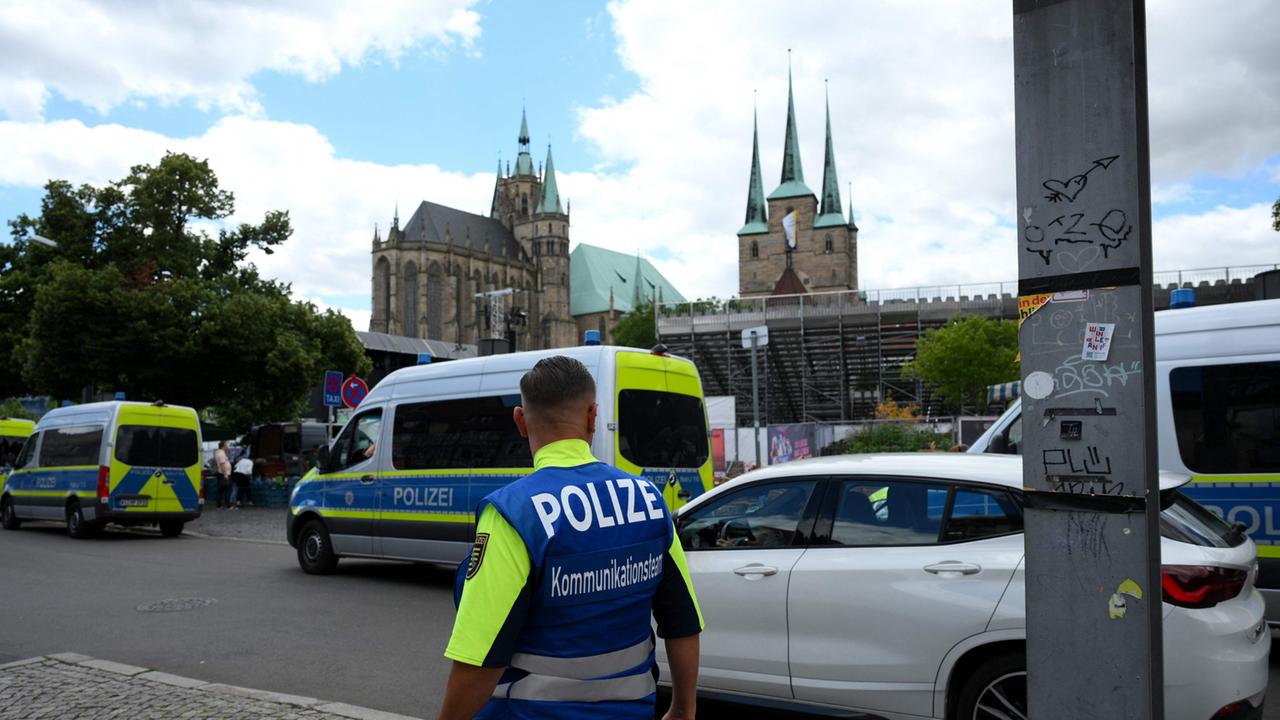
Thousands of demonstrators are converging on Erfurt this weekend to protest the Alternative for Germany (AfD) party conference. The primary objective of these protests is to disrupt or prevent the AfD's proceedings. The article examines the legal framework governing these demonstrations, specifically focusing on the rights and limitations imposed by Germany's Basic Law (Grundgesetz) and its assembly laws. It aims to clarify what actions are permissible under these laws and where the boundaries lie for protesters. The event highlights the tension between the right to free assembly and the potential for disruption. The AfD's conference is scheduled to take place over the weekend, drawing attention to political polarization within Germany. Demonstrators are traveling from across the country to participate in the organized protests. The legal guidelines are crucial for both the authorities managing the situation and the participants exercising their rights. The focus is on ensuring that protests remain within legal boundaries while still effectively conveying their message against the AfD's agenda. This situation underscores the importance of understanding constitutional rights in the context of political expression and public assembly.
The upcoming AfD party conference in Erfurt is a focal point for political expression and counter-expression, highlighting the dynamic interplay between freedom of assembly and public order. German law, as embodied in the Grundgesetz and assembly statutes, provides a framework for balancing these competing interests. While the right to protest is robust, it is not absolute and is subject to limitations designed to prevent undue disruption and ensure public safety. The situation prompts consideration of how effectively legal frameworks can manage large-scale demonstrations with the stated aim of preventing a political party's legitimate conference. Future governance models may need to address the increasing polarization and the potential for protest tactics to challenge established legal boundaries, ensuring that democratic processes are both protected and allowed to function, while also safeguarding fundamental rights of expression and assembly.
AI-generated to prompt reflection — not editorial opinion, not advice, not a statement of fact. How this works.