AfD Party Congress: The AfD's Pragmatic Shift Risks Its Core Identity
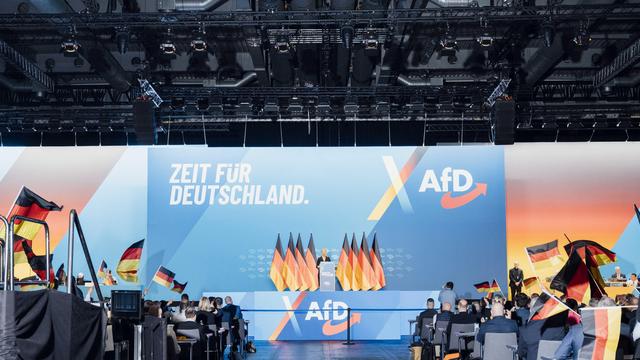
At its party congress, the Alternative for Germany (AfD) party is signaling a desire to appear "unideological and pragmatic" as it eyes political power. This strategic pivot involves a potential reduction in anti-migration rhetoric and an increased emphasis on national symbols, represented by "black-red-gold." This shift is seen as a risky maneuver for the party, which has largely built its support base on its strong stance against immigration. The move suggests a calculated attempt to broaden its appeal beyond its current base, possibly to attract more moderate voters or to present a more palatable image to potential coalition partners. However, this change in direction could alienate its more hardline supporters who are drawn to the party's more extremist positions. The AfD faces the challenge of balancing its ambition for broader political influence with the need to maintain its core identity and appeal to its existing electorate.
The AfD's stated aim to become "unideological and pragmatic" and shift focus from anti-migration rhetoric to national symbolism represents a strategic attempt to broaden its electoral appeal and navigate the complexities of gaining mainstream political power. This pivot, however, presents a significant internal contradiction: the party's established identity and electoral success have been largely predicated on its strong anti-immigration platform and associated rhetoric. By attempting to moderate its image, the AfD risks alienating its core base, which is attracted to its more hardline stances. The success of this strategy will depend on the party's ability to balance its pragmatic aspirations with its foundational appeal, a challenge that could test its internal cohesion and long-term electoral viability in the evolving political landscape.
AI-generated to prompt reflection — not editorial opinion, not advice, not a statement of fact. How this works.