Affordable Multi-Material 3D Printers Spark Innovation
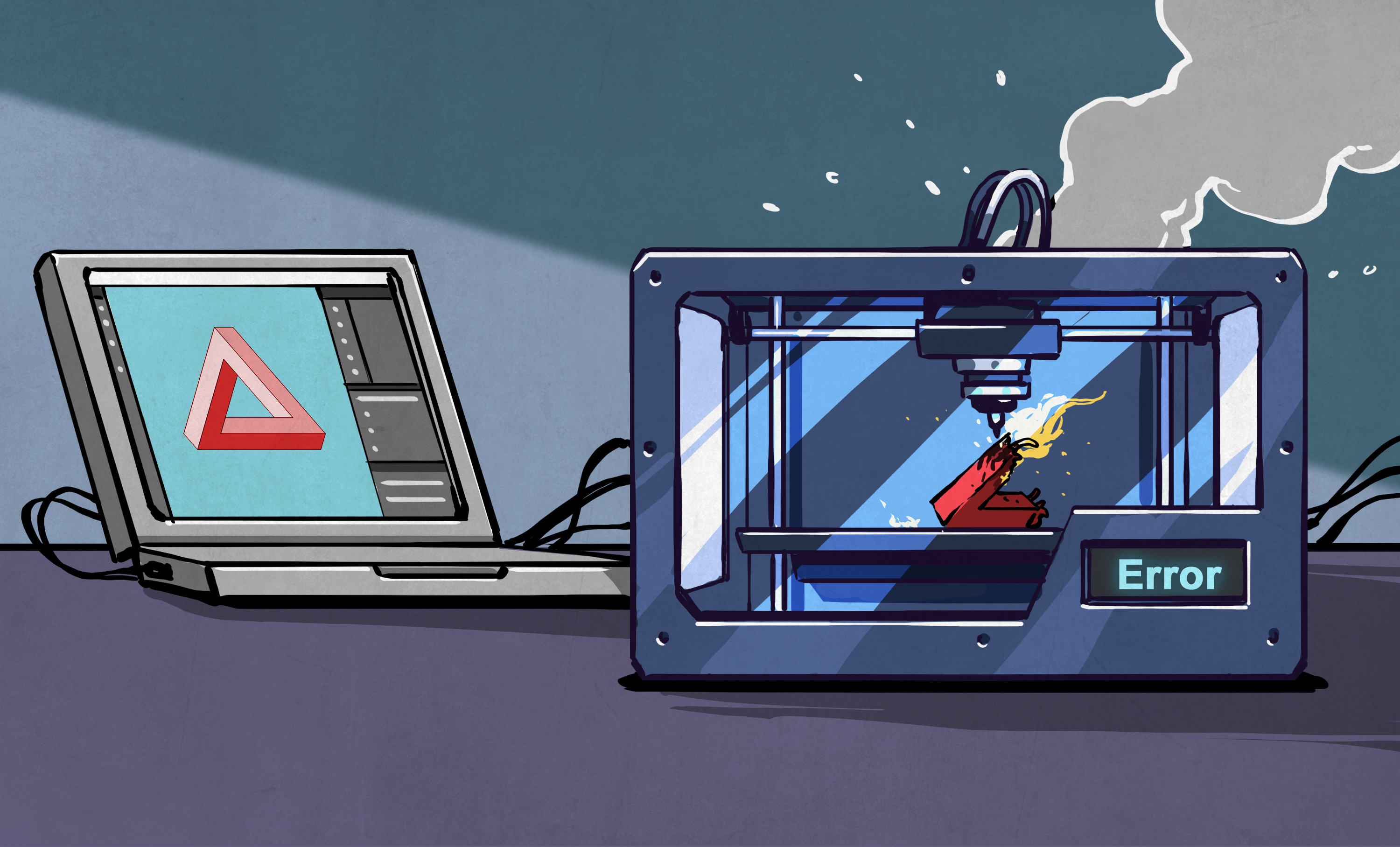
The past one to two years have witnessed the introduction of relatively affordable multi-material 3D printers into the market. This development has prompted discussions about its implications for commercialization and innovation. The accessibility of these advanced printing technologies suggests a shift towards more complex and versatile applications becoming feasible for a wider range of users. The ability to print with multiple materials simultaneously opens up new possibilities for product design, prototyping, and even small-scale manufacturing. This could lead to increased competition and a faster pace of development in various industries. The trend indicates a growing democratization of advanced manufacturing tools, potentially empowering smaller businesses and individual creators. The focus on multi-material capabilities signifies a move beyond single-substrate printing, enabling the creation of objects with varied properties and functionalities. This evolution in 3D printing technology is poised to drive significant advancements in how products are conceived, developed, and produced.
The emergence of affordable multi-material 3D printers represents a significant technological inflection point. This democratization of advanced manufacturing capabilities lowers barriers to entry for complex product development, potentially fostering a more dynamic and competitive innovation ecosystem. The ability to integrate diverse material properties within a single print job could accelerate the realization of novel designs and functional prototypes, impacting fields from consumer electronics to biomedical devices. Over the next decade, this trend may challenge traditional manufacturing paradigms by enabling distributed, on-demand production of highly customized goods. Businesses that leverage these tools effectively could gain a competitive advantage through accelerated iteration cycles and reduced reliance on complex supply chains.
AI-generated to prompt reflection — not editorial opinion, not advice, not a statement of fact. How this works.