Afghan Government Ordinances Face Expiration as Deadline Approaches
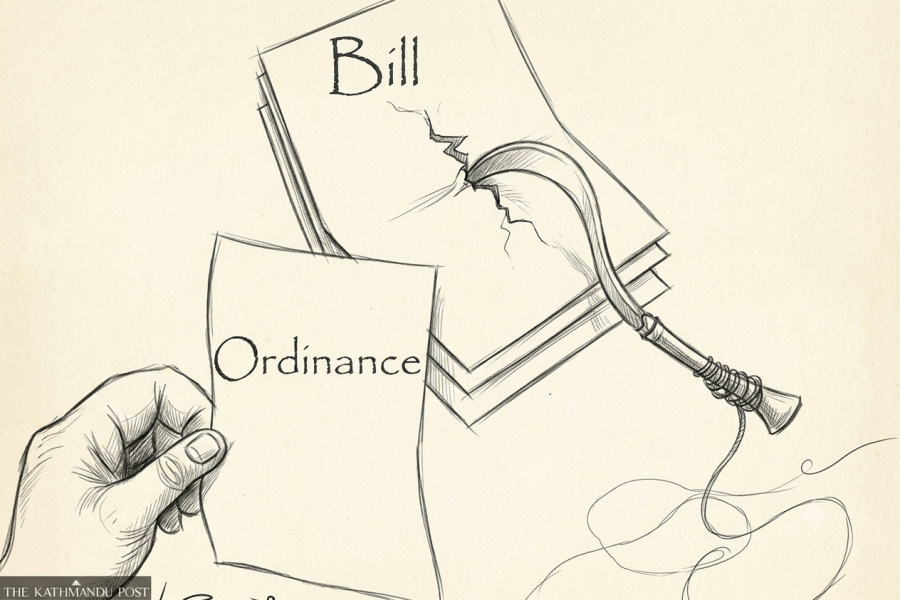
Four critical ordinances issued by the Afghan government are scheduled to expire on Thursday. These ordinances cover significant areas including constitutional bodies, universities, and public service holders. The impending lapse raises questions about the legal status of decisions and regulations made under these ordinances. The government had pushed for these ordinances, but they appear to be facing legislative hurdles or a lack of timely ratification. The expiration could lead to a vacuum in governance or necessitate immediate re-promulgation or parliamentary approval. This situation highlights potential challenges in the legislative process and the functioning of constitutional bodies. The specific impact on universities and public service holders remains to be seen, but it could affect appointments, policies, and operational frameworks. The government's strategy of using ordinances for these key areas is now under scrutiny as the deadline looms.
The impending expiration of these ordinances suggests a potential disconnect between the executive's legislative agenda and the parliamentary process in Afghanistan. This situation may reflect underlying governance challenges, where the effectiveness of executive decrees is contingent on timely legislative review and approval. The lapse could create uncertainty in key sectors like education and public administration, potentially impacting institutional stability and policy continuity. Looking ahead, a robust legislative framework that ensures timely deliberation and ratification of executive initiatives will be crucial for effective governance and predictable policy implementation in Afghanistan. This event underscores the importance of balancing swift executive action with democratic oversight mechanisms.
AI-generated to prompt reflection — not editorial opinion, not advice, not a statement of fact. How this works.