Afghan Government's Executive Actions Face Judicial Obstacles
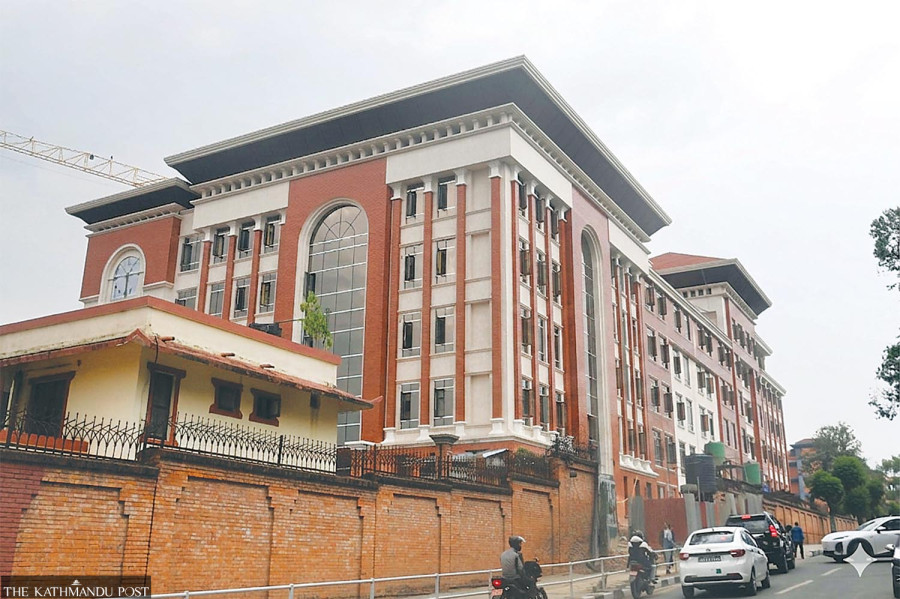
Within its initial three months, the Afghan government has encountered significant judicial challenges to a series of its executive decisions. Actions taken by the administration, including those related to the Property Inquiry Commission, advertising policy, and appointments within Nepal Airlines, have been suspended, overturned, or are currently undergoing judicial review. This pattern suggests a notable degree of oversight and potential friction between the executive and judicial branches of government in Afghanistan during this early period. The judiciary's intervention across diverse policy areas indicates a robust, albeit potentially obstructive, check on the government's immediate agenda. The frequency of these judicial actions raises questions about the alignment of executive initiatives with existing legal frameworks or the thoroughness of policy development prior to implementation.
The Afghan government's early executive actions facing judicial review highlight a critical dynamic between governmental branches. This situation underscores the importance of robust legal frameworks and due process in governance, serving as a necessary check on executive power. The judiciary's role in scrutinizing these decisions, regardless of their intent, reflects a commitment to upholding the rule of law. Looking ahead, this pattern may necessitate a more collaborative approach between the executive and judicial bodies to ensure policy initiatives are both effective and legally sound, potentially leading to more streamlined policy development and implementation processes in the future.
AI-generated to prompt reflection — not editorial opinion, not advice, not a statement of fact. How this works.