Afghan Taliban Claims Airstrikes on Militant Hideouts Inside Pakistan
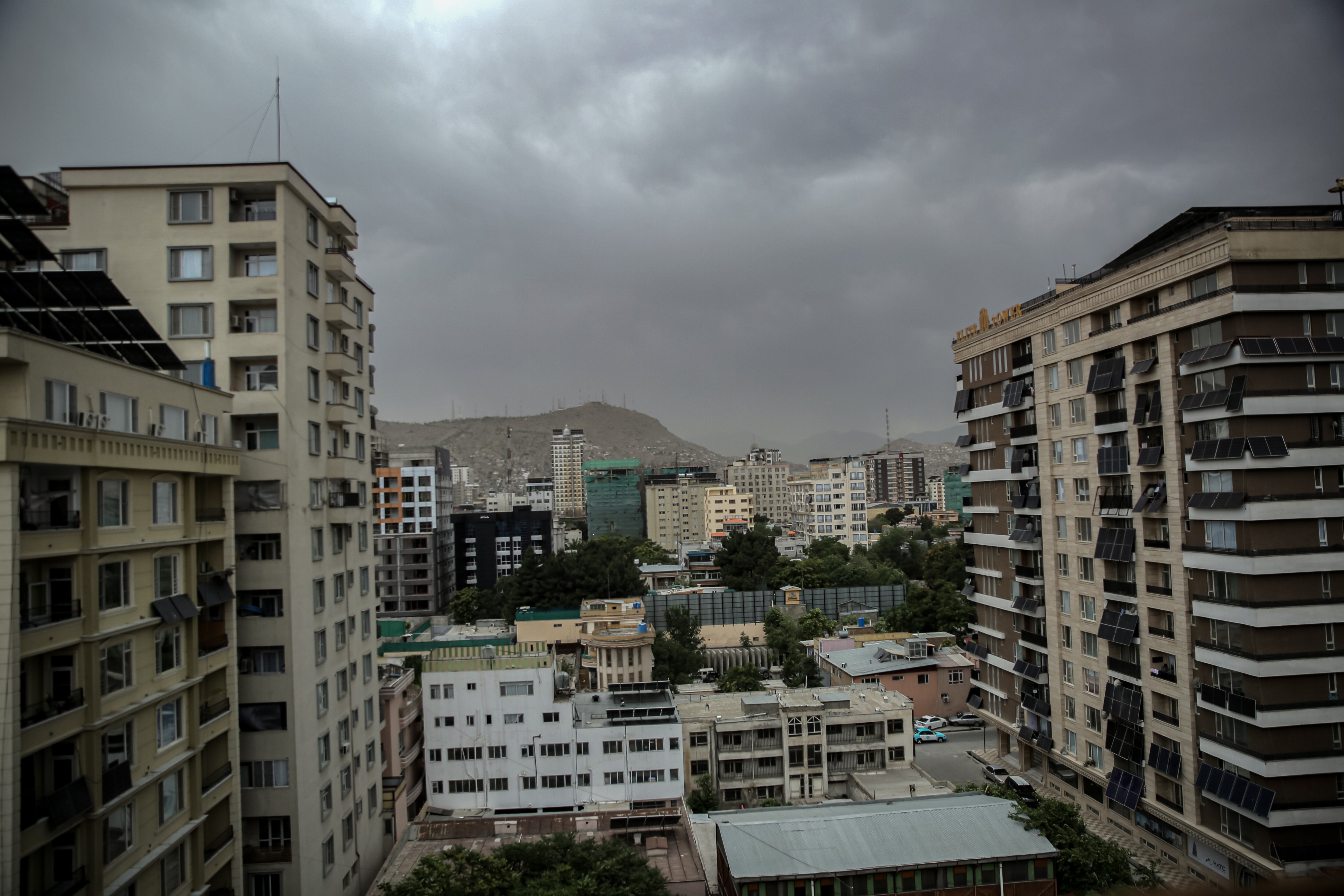
The Afghan Taliban's defense ministry announced on Friday that Afghan forces conducted "air strikes" targeting the hideouts of Islamist militants located in two Pakistani provinces. This action has escalated tensions between Afghanistan and Pakistan, coming just months after the two nations experienced their most severe conflict in recent years. The ministry did not specify the exact number of strikes or the precise locations within the two provinces. It also did not name the specific militant groups targeted. Pakistan has not yet officially commented on the alleged strikes. The incident raises concerns about cross-border security and the potential for further instability in the region. The Taliban government has previously accused Pakistan of not taking sufficient action against militant groups operating from its territory. This latest development could complicate diplomatic relations and regional security efforts.
The reported airstrikes by Afghan forces into Pakistani territory, as claimed by the Afghan Taliban's defense ministry, represent a significant escalation in regional security dynamics. Such actions, if confirmed, could be interpreted as an assertion of extraterritorial enforcement against militant groups, potentially bypassing established diplomatic channels and international norms regarding national sovereignty. This move may reflect an internal Taliban strategy to demonstrate efficacy in combating perceived threats, possibly to bolster domestic legitimacy or to pressure Pakistan regarding cross-border militancy. However, it also carries substantial risks of retaliatory action and broader destabilization, challenging the fragile security architecture of South Asia. Future developments will likely hinge on Pakistan's response and the international community's engagement with the implications for regional stability and counter-terrorism efforts.
AI-generated to prompt reflection — not editorial opinion, not advice, not a statement of fact. How this works.