Afghanistan Faces Demographic Shift: A Chance to Boost Education and Reduce Poverty
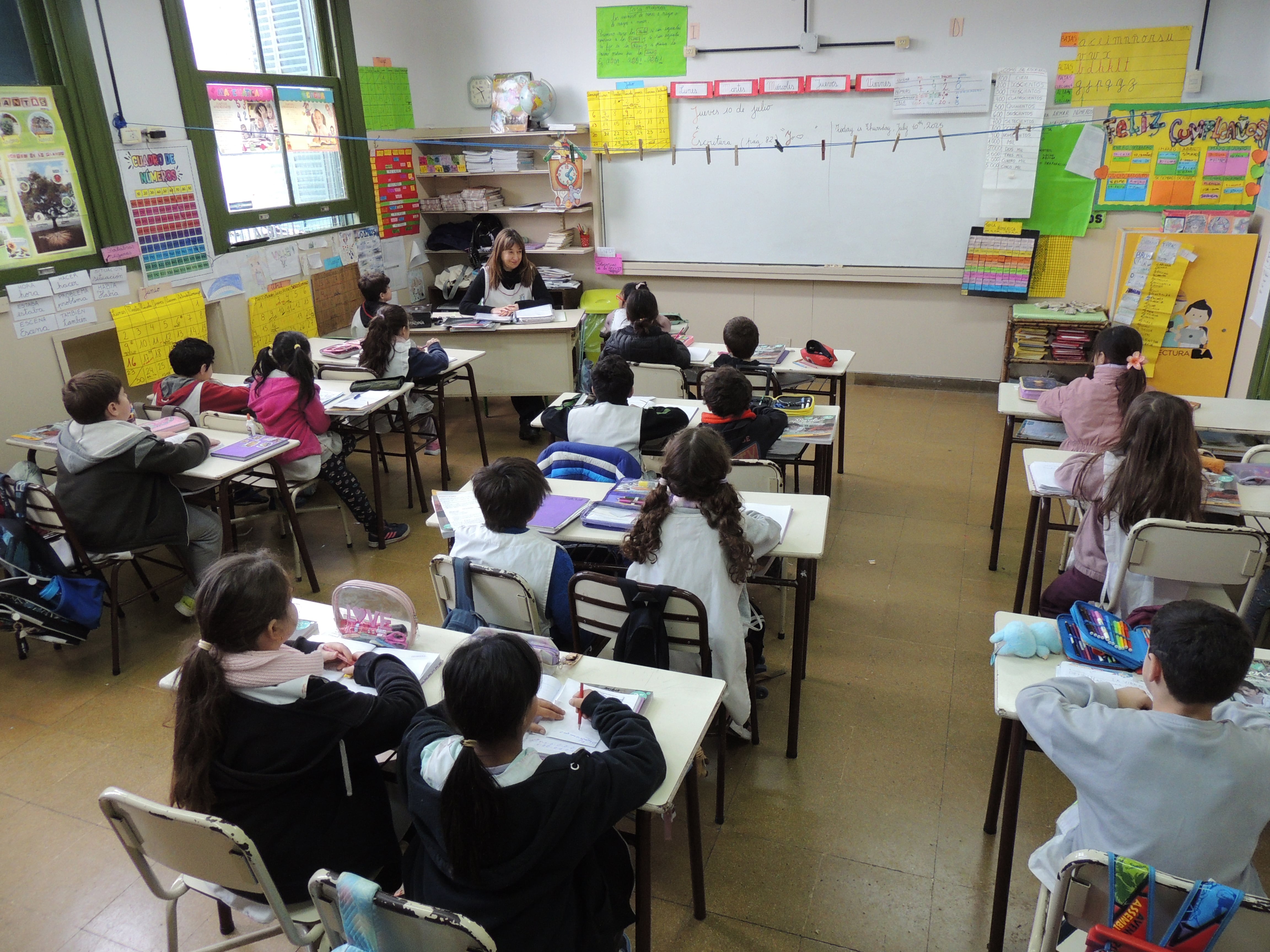
Afghanistan is experiencing a significant decline in birth rates, presenting the nation with a new landscape filled with both challenges and opportunities. This demographic shift creates a unique moment for the country to potentially enhance its educational systems and make substantial progress in poverty reduction efforts. The government and relevant organizations now have a critical window to leverage this changing population dynamic. Focusing resources on education can equip a smaller, more manageable future workforce with the skills needed for economic development. Simultaneously, strategic poverty alleviation programs can be more effectively targeted and implemented. This period offers a historical chance to reshape the nation's future by investing in human capital and strengthening its social safety nets. The success of these initiatives will be crucial in determining Afghanistan's trajectory in the coming years.
The declining birth rate in Afghanistan presents a demographic dividend opportunity, potentially allowing for increased per capita investment in education and social services. This shift could alleviate pressure on resources and infrastructure, enabling a more focused approach to poverty reduction. However, realizing this potential requires stable governance and effective policy implementation, which have historically been significant challenges in the region. The long-term success will depend on the ability to translate this demographic opportunity into tangible improvements in human capital development and economic stability, navigating complex geopolitical factors and ensuring equitable distribution of resources.
AI-generated to prompt reflection — not editorial opinion, not advice, not a statement of fact. How this works.