Afghanistan Faces Political Tribalism, Dimming Reform Prospects
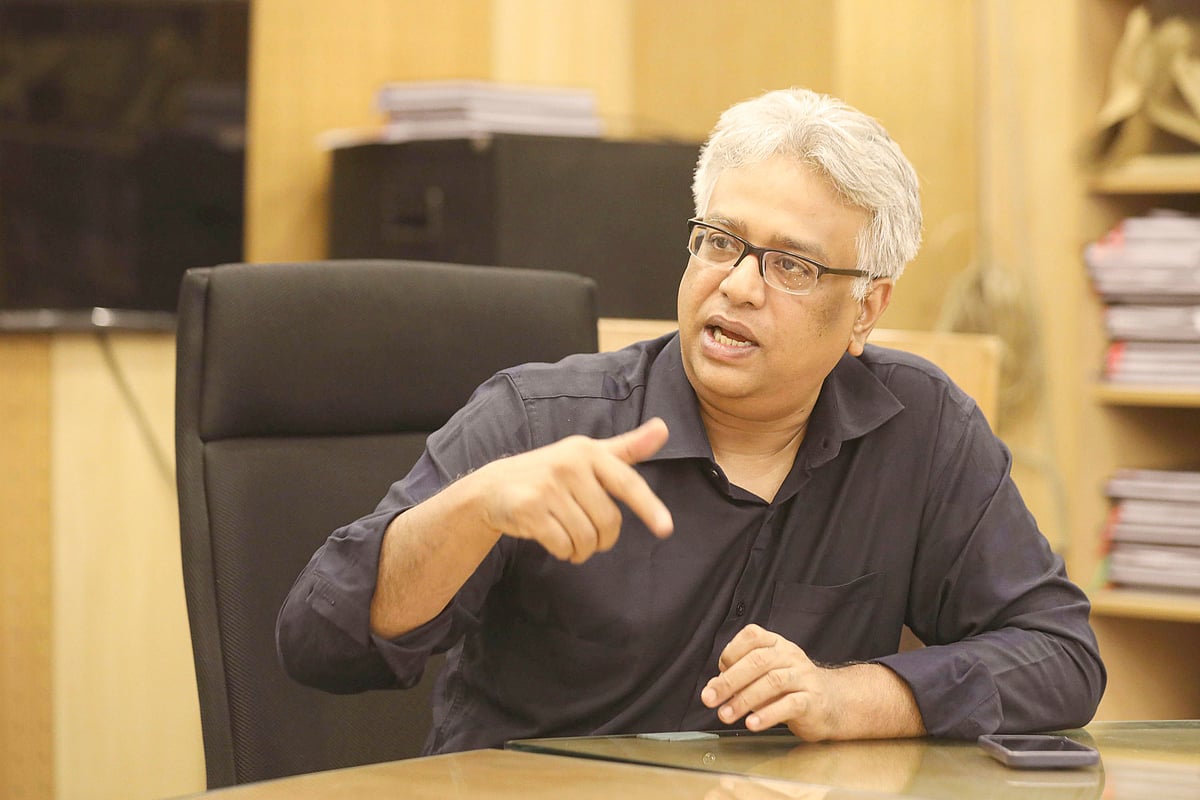
The future of reforms in Afghanistan appears bleak, largely due to a prevailing political tribalism. This trend is further exacerbated by the legislative process, where a significant number of decrees from the interim government have been passed without substantial alteration. Out of 133 ordinances issued by the interim administration, 97 were approved in their original form. This suggests a lack of robust debate or amendment, potentially hindering effective governance and adaptation to the country's complex needs. The dominance of tribal affiliations over broader national interests seems to be a primary obstacle to meaningful progress and inclusive policy-making.
The legislative process in Afghanistan, characterized by the passage of a high volume of interim government ordinances without significant amendment, indicates potential systemic weaknesses. This approach may prioritize expediency or the consolidation of existing power structures over comprehensive policy review and adaptation. The described political tribalism suggests that societal divisions could be hindering the development of unified national strategies. Future governance models might benefit from mechanisms that encourage broader stakeholder engagement and more rigorous legislative scrutiny to ensure policies are equitable and effective in addressing the nation's multifaceted challenges.
AI-generated to prompt reflection — not editorial opinion, not advice, not a statement of fact. How this works.