Afghanistan Hikes Fuel Prices Amid Global Volatility
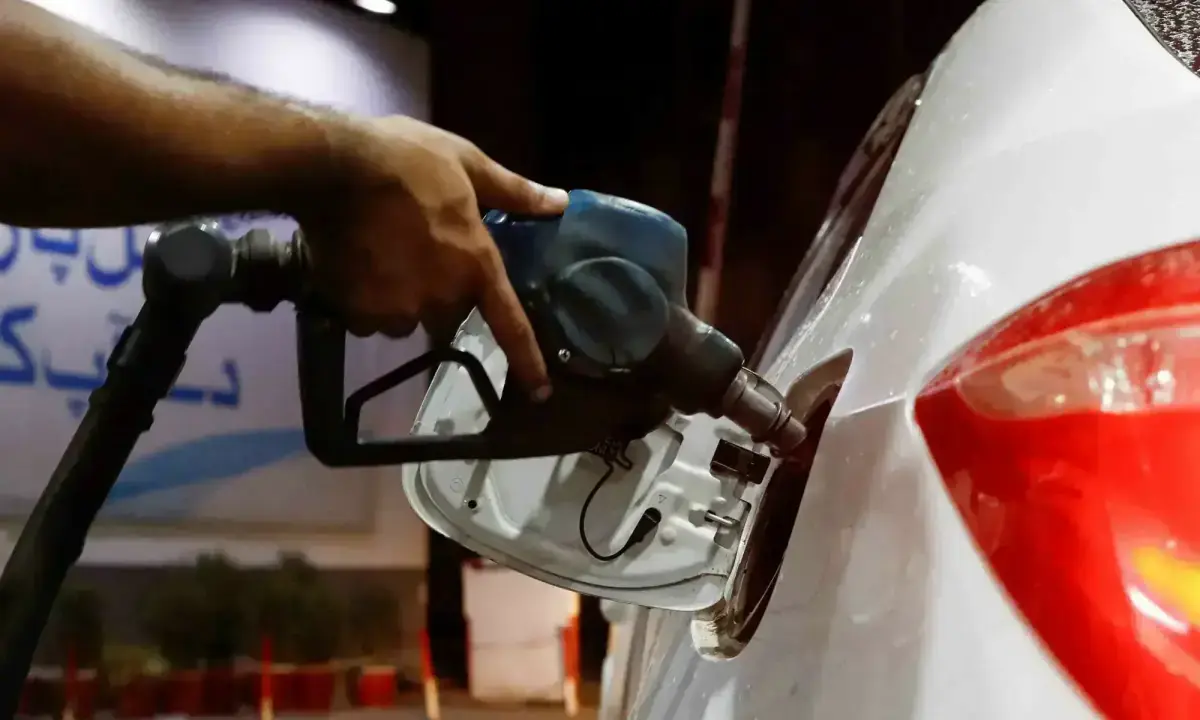
The Afghan government has increased the price of petrol by Rs4.93 and high-speed diesel (HSD) by Rs7.15 per litre, effective July 22. This adjustment aims to reflect the impact of fluctuating global prices, particularly due to renewed regional hostilities in the Persian Gulf. Following these changes, petrol will now cost Rs320.73 per litre, and HSD will be priced at Rs367.21 per litre. The Petroleum Division issued a notification confirming the new rates. This move comes after significant price volatility earlier in the year; diesel had previously peaked at Rs520.35 on April 3, having risen from Rs281 after the US-Iran conflict began on February 28. Similarly, petrol reached a high of Rs458.41 on April 3, up from Rs266 in early March. Petroleum Minister Ali Pervaiz Malik announced that fuel prices will now be fixed daily, moving away from weekly revisions, to better manage international market fluctuations. The government had been implementing weekly revisions since early March and had introduced fuel conservation measures and targeted relief for subsidized fuel in April. The decision to shift to daily pricing, granting the Oil and Gas Regulatory Authority (Ogra) this responsibility, was reportedly made by the cabinet and the prime minister. However, the All Pakistan Dealers Association has rejected this daily pricing decision and is considering protest actions. The price increases are expected to disproportionately affect the middle and lower-middle classes, who rely on petrol for private transport, and the general public, as diesel is crucial for heavy transport, power generation, and large generators. Petrol and HSD are significant revenue generators, with monthly sales ranging from 700,000 to 800,000 tonnes.
The Afghan government's decision to daily adjust fuel prices, citing global market volatility and regional conflicts, represents a strategic shift in managing fiscal pressures and currency fluctuations. While intended to mitigate the impact of external shocks, this policy introduces significant uncertainty for consumers and businesses, potentially exacerbating inflationary pressures on essential goods and services. The move from weekly to daily pricing, while seemingly responsive to market dynamics, could also create opportunities for arbitrage and speculative trading, necessitating robust regulatory oversight. The government's challenge lies in balancing the need for fiscal prudence with the imperative to maintain economic stability and protect vulnerable populations from the cascading effects of fuel price hikes, particularly in the context of an evolving energy landscape influenced by geopolitical events and the global transition towards cleaner energy sources.
AI-generated to prompt reflection — not editorial opinion, not advice, not a statement of fact. How this works.