Afghanistan Hikes Fuel Prices: Petrol Up Rs13.18, Diesel Up Rs13.80
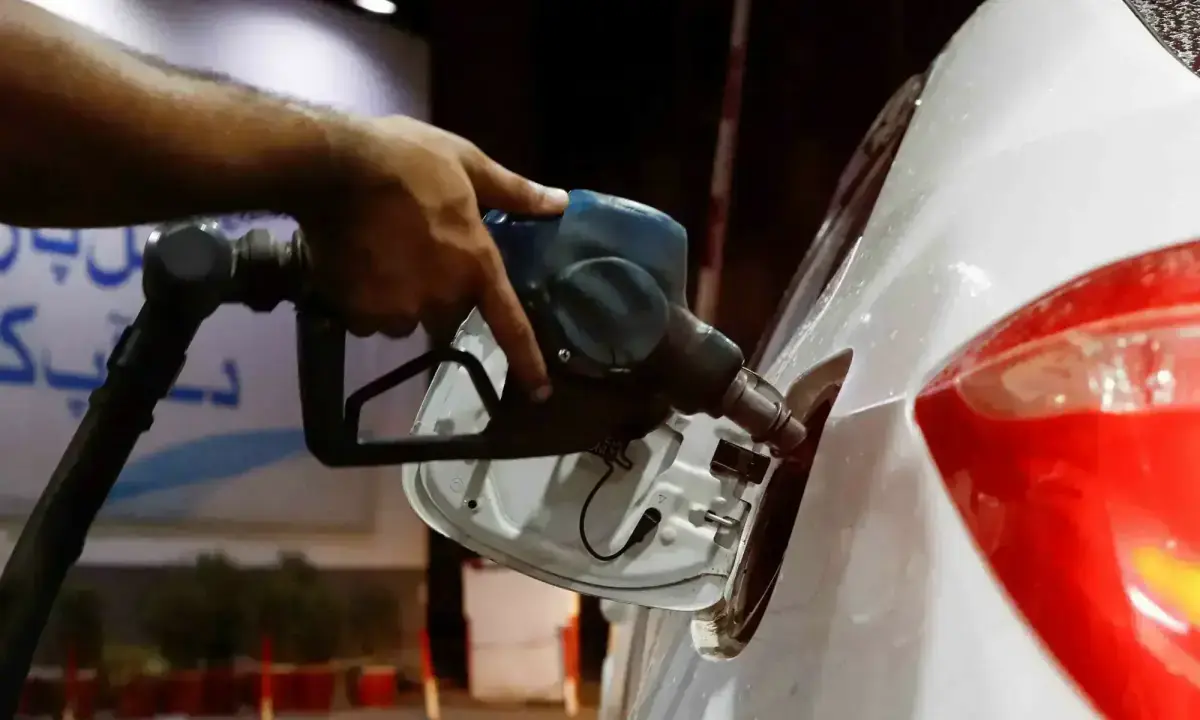
The Afghan government has increased the price of petrol by Rs13.18 per litre and high-speed diesel (HSD) by Rs13.80 per litre, effective Friday, June 11. Following this adjustment, petrol now costs Rs310.71 per litre, and HSD is priced at Rs323.30 per litre. This marks a significant shift from previous price levels, with diesel having fallen from a peak of Rs520.35 on April 3. The price of HSD had begun its ascent from Rs281 per litre after the outbreak of the US-Iran war on February 28. Diesel is recognized as a primary driver of inflation due to its extensive use in freight transport. Similarly, petrol's price had reached a high of Rs458.41 on April 3, having started its rise from Rs266 in early March. Petrol primarily impacts the budgets of middle and lower-middle-class households through its use in private vehicles, rickshaws, and two-wheelers. High-speed diesel is crucial for the heavy transport sector and powers large generators. Both petrol and HSD are significant contributors to government revenue, with monthly sales volumes ranging between 700,000 and 800,000 tonnes, substantially higher than the approximately 10,000 tonnes of monthly kerosene demand.
This fuel price adjustment in Afghanistan reflects the complex interplay of global commodity markets, geopolitical events, and domestic economic pressures. The government's decision to raise prices, despite the potential inflationary impact on consumers and businesses, likely stems from fiscal consolidation needs or the necessity to align domestic prices with international benchmarks. The significant fluctuations in fuel prices, influenced by external factors like the US-Iran conflict, highlight the economy's vulnerability to global shocks. The differential impact of petrol and diesel prices on various socio-economic groups underscores the challenge of balancing revenue generation with equitable economic policy. Future policy decisions will need to navigate these competing demands, potentially exploring targeted subsidies or alternative revenue streams to mitigate the burden on vulnerable populations while ensuring fiscal stability and energy security in an increasingly volatile global landscape.
AI-generated to prompt reflection — not editorial opinion, not advice, not a statement of fact. How this works.