Afghanistan Implements New VAT on Electricity, Differentiating Rates
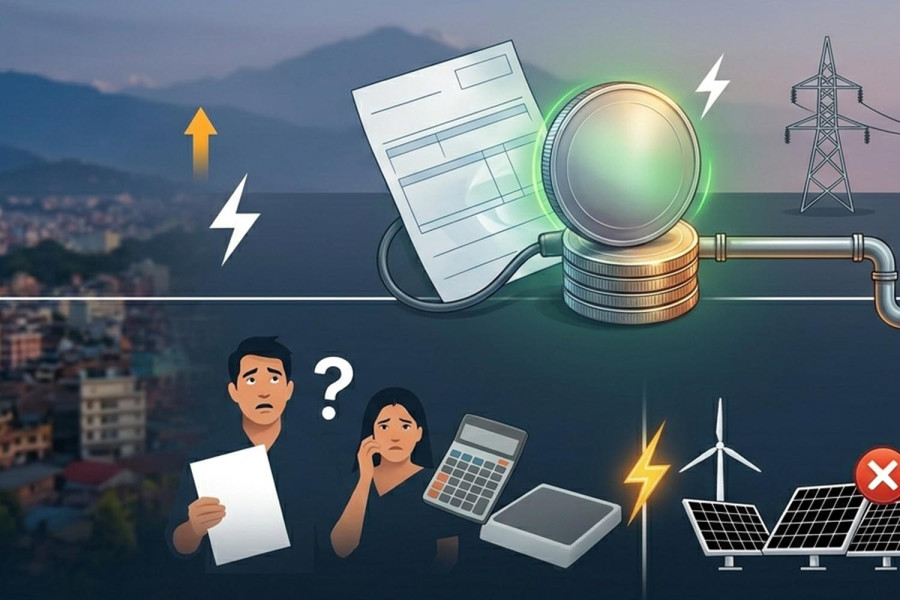
The Inland Revenue Department of Afghanistan has issued directives to implement new fiscal measures, which will take effect from the new fiscal year. A significant change includes the introduction of Value Added Tax (VAT) on electricity consumption. Households consuming more than 50 electricity units will be subject to a 5% VAT. In contrast, those exceeding this threshold will face a higher VAT rate of 13%.
In addition to the electricity VAT, the new fiscal measures encompass health and education levies. The department has also outlined revised tax rules that will be enforced. These directives aim to adjust the country's revenue collection mechanisms as the new fiscal year commences.
The Afghan government's introduction of differentiated VAT rates on electricity consumption, with higher rates for heavier users, reflects a common fiscal strategy to increase revenue while potentially incentivizing conservation. This tiered approach aims to balance the need for government funding with the economic burden on households. The implementation of new health and education levies alongside revised tax rules signals a broader effort to modernize and expand the tax base. Such fiscal reforms can be complex, requiring careful management to ensure equitable application and avoid unintended consequences on economic activity or vulnerable populations, especially in the current economic climate.
AI-generated to prompt reflection — not editorial opinion, not advice, not a statement of fact. How this works.