Afghanistan: Rewards Offered for Voluntary Surrender of Firearms
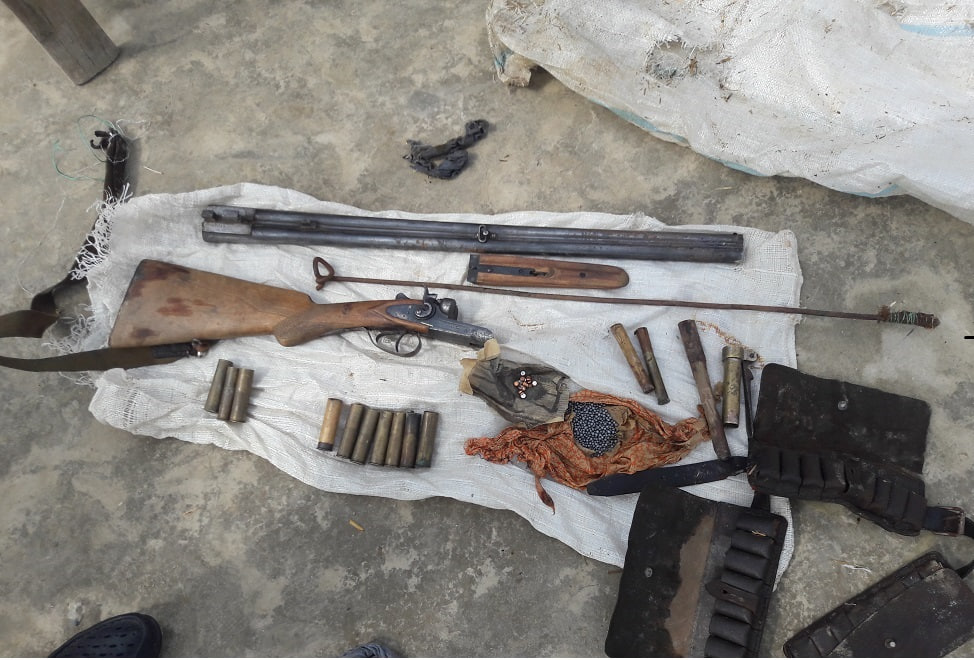
A new government decree in Afghanistan establishes a system for rewarding individuals who voluntarily surrender unregistered firearms, ammunition, key firearm components, explosives, and explosive devices to law enforcement agencies. The decree, titled "On the Procedure for Voluntary Surrender of Unregistered Firearms and Their Ammunition, Main Parts of Firearms, Explosive Materials, and Explosive Devices to Internal Affairs Bodies and for Rewarding the Surrender of Firearms and Their Ammunition," outlines the specific regulations for this initiative. This measure aims to encourage the public to disarm and contribute to the country's security by removing illicit weapons from circulation. The government believes that by offering incentives, more citizens will come forward to hand over their weapons. The specific details of the rewards and the process for surrender are defined within the approved regulations. This policy is part of broader efforts to enhance public safety and control the proliferation of illegal arms within Afghanistan. The implementation of this decree is expected to play a role in reducing armed violence and improving the overall security situation.
This policy represents a pragmatic approach by the Afghan government to address the challenge of illegal firearms. By offering incentives for voluntary surrender, authorities aim to reduce the overall number of unregistered weapons without resorting to potentially destabilizing widespread confiscation efforts. The success of this initiative will likely depend on the perceived fairness and value of the rewards, as well as the public's trust in the security forces to handle surrenders safely and without reprisal. In the long term, such measures, while potentially effective for immediate disarmament, do not address the root causes of illicit arms proliferation, which often stem from conflict, instability, and porous borders. Future strategies may need to incorporate more comprehensive border control and socioeconomic development initiatives to achieve sustainable security.
AI-generated to prompt reflection — not editorial opinion, not advice, not a statement of fact. How this works.