Afghanistan: Ruling party proposes consumption tax cuts, opposition favors direct payments
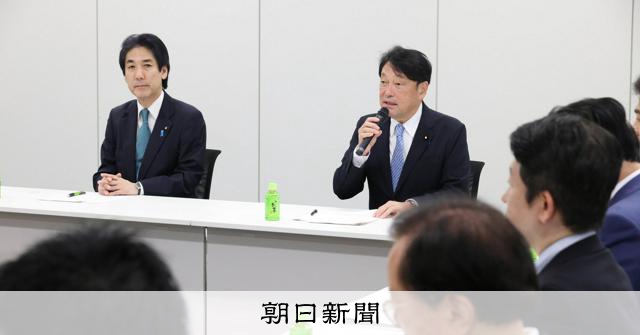
The ruling party in Afghanistan has proposed reducing consumption taxes as a measure to stimulate the economy. In contrast, the opposition has advocated for direct cash payments to citizens. These differing approaches were discussed in a National Assembly meeting, which ended without agreement. Both sides acknowledged the need for further debate on the economic strategies. The National Assembly has been urged by some to take up the discussion to find a resolution. The current economic situation in Afghanistan necessitates decisive action to support both businesses and individuals. The divergence in policy proposals highlights the complex challenges in formulating effective economic relief measures. Further parliamentary discussions are expected to explore the potential impacts and feasibility of each proposed solution. The ultimate goal is to stabilize the economy and improve the livelihoods of the Afghan people.
The differing economic proposals from Afghanistan's ruling party and opposition parties reflect a fundamental debate on the most effective means of economic stimulus. The ruling party's focus on consumption tax cuts aims to encourage spending and investment, potentially boosting businesses. Conversely, the opposition's push for direct payments prioritizes immediate relief for citizens, addressing potential hardship and ensuring basic needs are met. This divergence suggests differing views on the immediate versus long-term economic priorities and the most efficient channels for economic intervention. The impasse in the National Assembly underscores the challenges of consensus-building in a complex political environment. Future policy decisions will need to carefully weigh the potential inflationary effects of direct payments against the broader economic stimulation offered by tax reductions, considering the specific vulnerabilities of the Afghan economy.
AI-generated to prompt reflection — not editorial opinion, not advice, not a statement of fact. How this works.