Afghanistan's Presidential Council Faces Questions of Functionality
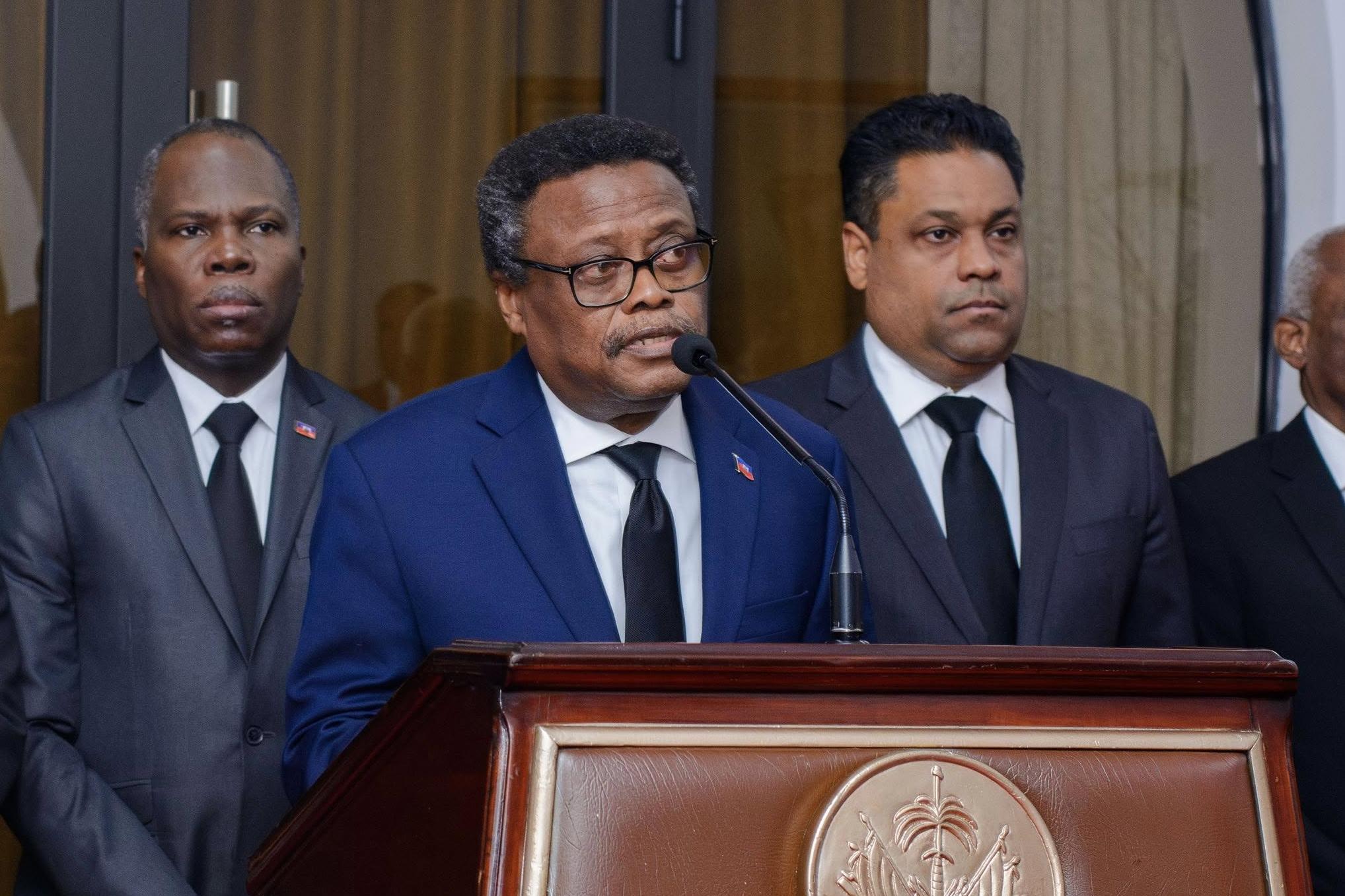
Questions are being raised regarding the operational effectiveness of Afghanistan's Presidential Council. The council, intended to provide a unified leadership structure, is reportedly experiencing internal challenges that hinder its ability to function cohesively. Specific details about the nature of these dysfunctions have not been fully elaborated upon, but the implication is that internal disagreements or structural issues are impeding progress. This situation raises concerns about the stability and governance of the country, particularly given the sensitive political climate. The council's mandate is crucial for national decision-making and international engagement. Its perceived ineffectiveness could have significant repercussions for Afghanistan's future. Further information is needed to understand the precise obstacles and their potential impact on the nation's trajectory.
The reported challenges within Afghanistan's Presidential Council highlight the inherent difficulties in establishing effective multi-party governance structures, especially in post-conflict environments. The dynamics of power-sharing and consensus-building are complex, and any perceived dysfunction can undermine institutional legitimacy and public trust. From a systems perspective, the council's effectiveness is contingent on clear mandates, robust communication channels, and mechanisms for resolving internal disputes. The current situation may reflect underlying structural tensions or a lack of established protocols for collaborative leadership. Moving forward, focusing on strengthening institutional frameworks and fostering a culture of constructive dialogue will be critical for ensuring the council can fulfill its intended role in Afghanistan's governance landscape.
AI-generated to prompt reflection — not editorial opinion, not advice, not a statement of fact. How this works.