Afghanistan's Private Sector Dominates Key Government Roles
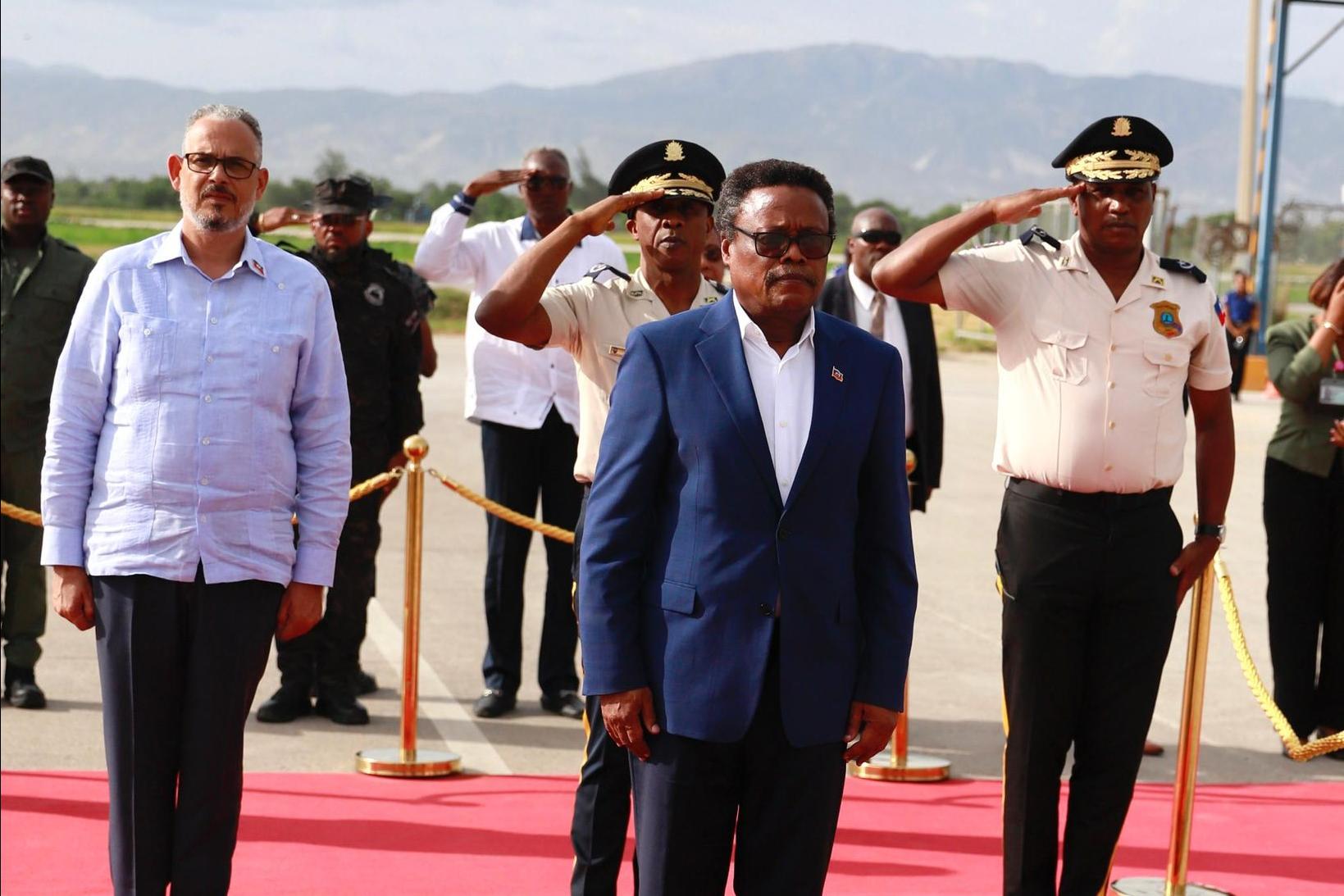
Two prominent figures from Afghanistan's private business sector are reportedly wielding significant influence over the country's governance. This situation raises questions about the separation of public and private interests within the administration. The individuals in question are said to hold substantial sway in decision-making processes that affect the nation's economic and political landscape. Their backgrounds in business suggest a potential focus on commercial interests, which may or may not align with broader public welfare objectives. The extent of their formal and informal power remains a subject of discussion among observers. This development occurs against a backdrop of ongoing economic challenges and international engagement with the Taliban government. The implications for transparency, accountability, and equitable development are significant. Further details on the specific roles and the nature of their influence are crucial for a comprehensive understanding of the current power dynamics in Afghanistan.
The concentration of governance power within individuals primarily associated with the private business sector in Afghanistan warrants careful examination. This arrangement may reflect an effort to leverage commercial expertise for economic recovery, but it also presents potential conflicts of interest and raises concerns about equitable policy development. The interplay between private enterprise incentives and public service mandates will be a critical factor to monitor over the next decade. Ensuring robust oversight mechanisms and transparent decision-making processes will be essential to foster broad-based economic growth and public trust, particularly as Afghanistan navigates its post-conflict reconstruction and integration into the global economy.
AI-generated to prompt reflection — not editorial opinion, not advice, not a statement of fact. How this works.