Afghanistan Seeks Indian Basmati Rice Amidst Pakistan Trade Disruptions
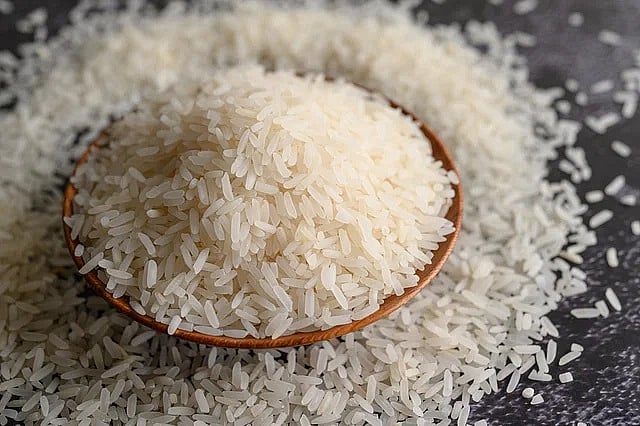
Afghanistan is actively pursuing increased imports of Basmati rice directly from India, signaling a potential shift in its primary rice supplier away from Pakistan. Afghan officials have initiated discussions with their Indian counterparts to facilitate this trade. This move comes as Pakistan faces declining rice exports to Afghanistan due to border closures, regional conflicts, and India's more competitive pricing. Pakistan has already incurred significant export losses, estimated at $1.1 billion due to border closures with Afghanistan and an additional $2 billion from Middle Eastern conflicts. The Pakistani Ministry of Commerce reported a 25% decrease in foodstuff exports, with rice exports notably impacted by India's lower prices. Indian Basmati rice is reportedly priced around $1,100 per ton, compared to Pakistan's $1,300 per ton, making it less competitive in the international market. Afghan businesses are exploring direct Basmati rice imports from India, aiming to bypass intermediaries in Dubai and Iran, which currently inflate costs. Afghanistan has an annual demand for approximately 500,000 tons of Basmati rice. Direct imports from India are expected to be more cost-effective and reliable, with proposals to use Iran's Bandar Abbas port for transit. Potential trade mechanisms, including barter deals leveraging India's import of Afghan dried fruits, are also under consideration. While India's Basmati rice exports to Afghanistan have historically been limited, reaching a peak of 19,440 tons in fiscal year 2020-21, this initiative could significantly expand its market share, challenging Pakistan's long-standing dominance in the Afghan rice market.
Afghanistan's pivot towards sourcing Basmati rice directly from India, away from its traditional supplier Pakistan, highlights the interplay of geopolitical tensions, regional trade dynamics, and economic pragmatism. The shift is driven by Pakistan's export challenges, including border issues and price competitiveness, which create an opening for India. This situation underscores how international trade flows can be rapidly reconfigured by external disruptions and differential pricing strategies. For India, this represents an opportunity to solidify its economic ties and market presence in a key regional market, potentially leveraging existing trade relationships and logistical solutions. The exploration of barter trade suggests a willingness to innovate in trade mechanisms to overcome financial barriers. This development warrants attention as it could reshape regional agricultural trade patterns and influence Pakistan's export strategies in the coming years.
AI-generated to prompt reflection — not editorial opinion, not advice, not a statement of fact. How this works.