Afghanistan Slashes Petrol and Diesel Prices Following International Market Drops
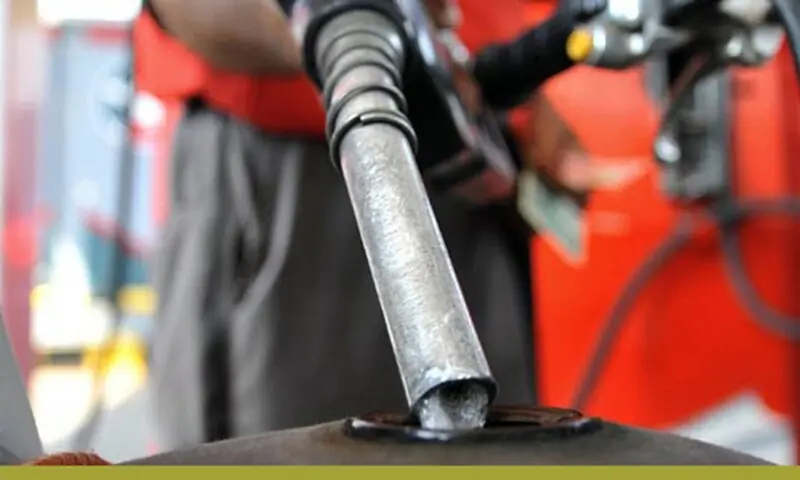
The Afghan government has reduced the prices of petrol by Rs4.08 and high-speed diesel (HSD) by Rs2.45 per litre, effective August 4th. This adjustment follows a decrease in international oil prices, partly attributed to the de-escalation of tensions between the US and Iran. Consequently, petrol will now be sold at Rs331.95 per litre and HSD at Rs389.93 per litre. Despite the price cut, the government continues to impose significant taxes and duties, amounting to Rs110 per litre on petrol and Rs96 per litre on diesel. The price of HSD had previously peaked at Rs520.35 on April 3rd, having risen from Rs281 per litre after the outbreak of US-Iran hostilities on February 28th. Similarly, petrol prices reached a high of Rs458.41 on April 3rd, up from Rs266 in early March. Petroleum Minister Ali Pervaiz Malik announced that fuel prices would henceforth be determined daily to reflect international market fluctuations, a shift from the previous weekly revisions implemented in early March. This move comes amidst efforts to conserve fuel and mitigate potential supply disruptions from the Middle East conflict. The government had also introduced targeted subsidies in April. The decision to grant the Oil and Gas Regulatory Authority (Ogra) the power to set daily fuel prices based on global trends was reportedly made by the cabinet and the prime minister. However, the All Pakistan Dealers Association has rejected the daily pricing mechanism and is considering protest actions. The price changes significantly impact the general populace, as petrol is widely used in private vehicles and by lower-income groups, while diesel is crucial for the transport sector, power generation, and industrial machinery. Petrol and HSD are major revenue sources, with monthly sales ranging between 700,000 and 800,000 tonnes.
The Afghan government's decision to adjust fuel prices reflects a responsiveness to global commodity market dynamics, particularly the impact of geopolitical events on oil prices. The continued imposition of substantial taxes on fuel, even after price reductions, highlights a persistent reliance on these levies for government revenue. The shift towards daily price adjustments, while intended to mirror international volatility, introduces new complexities for consumers and dealers, potentially leading to increased price uncertainty and operational challenges for the distribution network. This policy shift warrants observation regarding its long-term effects on market stability, consumer purchasing power, and the government's fiscal strategy, especially in light of the significant role these fuels play in the broader economy and the daily lives of citizens.
AI-generated to prompt reflection — not editorial opinion, not advice, not a statement of fact. How this works.
