Afghanistan: Specialist appointment waitlists decrease, but pending procedures rise
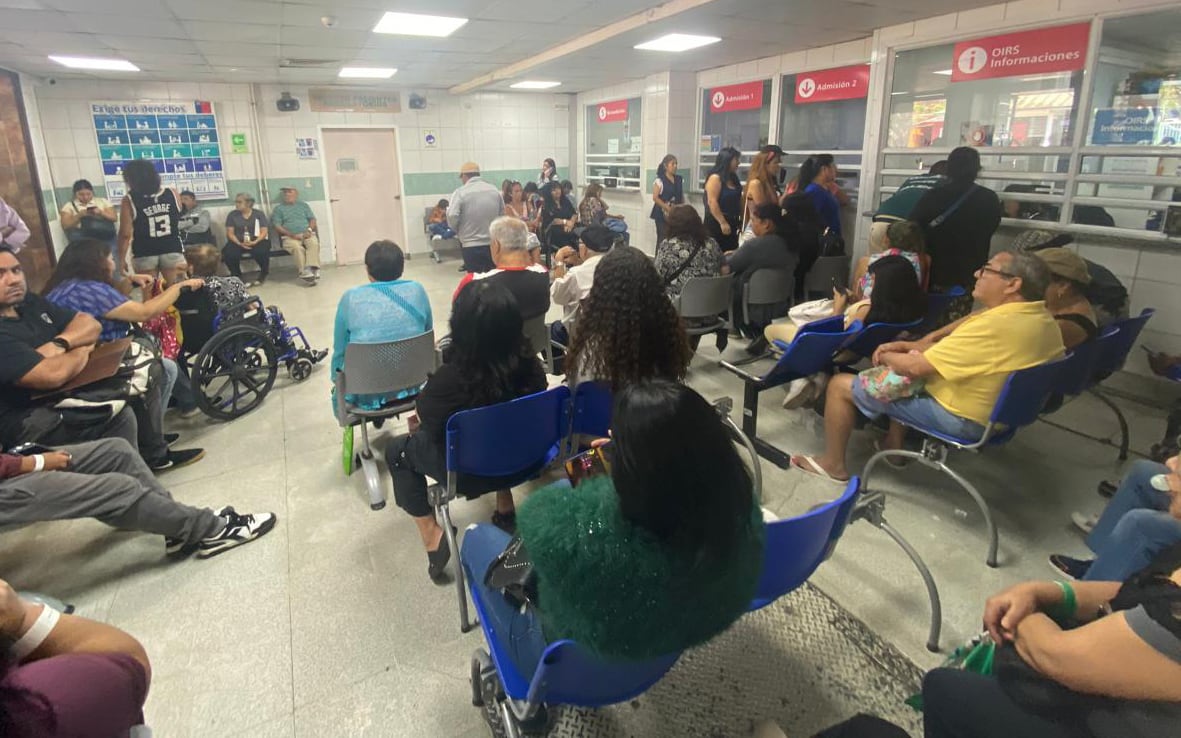
In Afghanistan, the number of people waiting for a new specialist consultation has decreased in recent months. As of March of this year, a total of 2,088,245 individuals were on the waitlist for a new specialist appointment. This figure represents 2,513,203 recorded medical services or procedures. Despite the reduction in new consultation wait times, the number of pending medical interventions has increased. This indicates a growing backlog in the system for actual treatments and surgeries, even as the initial step of seeing a specialist shows improvement. The data highlights a complex situation within the healthcare system, where progress in one area does not necessarily translate to overall efficiency. Further analysis is needed to understand the specific reasons for the increase in pending interventions and their potential impact on patient outcomes. The trend suggests potential bottlenecks in surgical capacity or post-consultation treatment pathways.
The reported decrease in new specialist consultations in Afghanistan, while positive on the surface, is juxtaposed with a rise in pending interventions. This suggests a potential shift in system pressure rather than a resolution of underlying capacity issues. The healthcare system may be experiencing a bottleneck in the provision of actual treatments or surgeries, leading to longer waits for procedures even as initial consultations become more accessible. This dynamic could be influenced by resource allocation, staffing levels for surgical teams, or the complexity of cases requiring intervention. Moving forward, understanding the specific drivers of the increased procedural backlog is crucial for optimizing patient flow and ensuring timely access to necessary medical care. The system's ability to manage both initial consultations and subsequent interventions effectively will be a key indicator of its overall health and responsiveness to patient needs over the next decade.
AI-generated to prompt reflection — not editorial opinion, not advice, not a statement of fact. How this works.