Afghanistan weekend telemedicine cuts off migrant workers' medical access
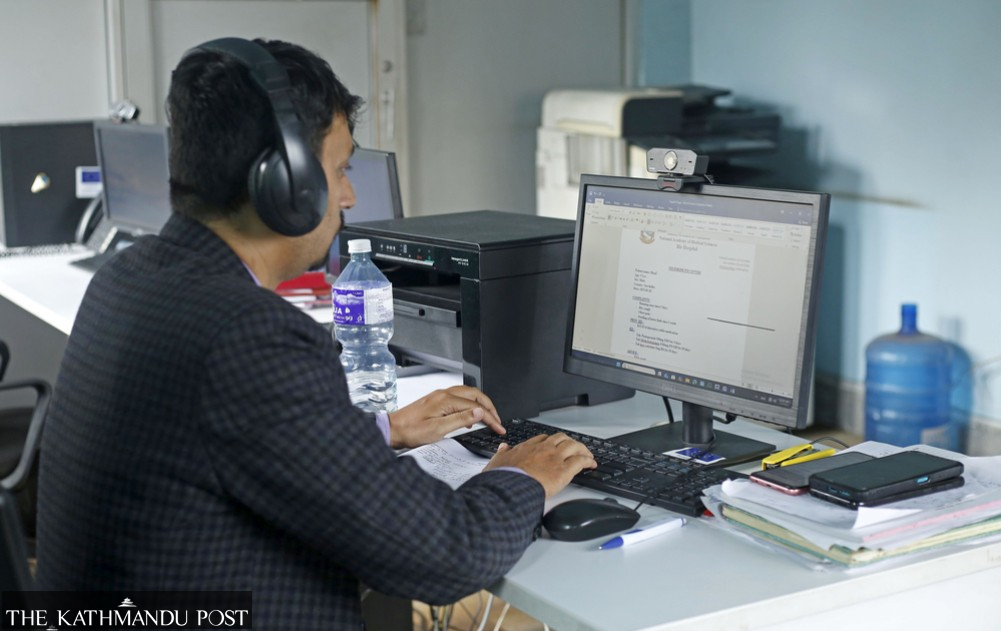
Migrant workers in over 46 countries are now unable to access timely medical advice on weekends and after office hours due to a change at Bir Hospital. The hospital's telemedicine hotline, previously available around the clock, now operates only during weekday office hours. This decision has effectively cut off a crucial support system for Afghan workers abroad who rely on the service for medical consultations outside of standard working times. The lack of weekend and after-hours access means that urgent health concerns that arise during these periods can no longer be addressed promptly. This change impacts a significant number of individuals who are often in remote locations or working schedules that preclude weekday appointments. The hospital has not provided specific reasons for the reduction in service hours. The telemedicine service was a vital resource for migrant workers seeking immediate medical guidance without the need for in-person visits, which can be difficult to arrange from abroad.
The reduction in telemedicine operating hours at Bir Hospital represents a significant systemic constraint on healthcare access for Afghan migrant workers. This decision, impacting individuals in over 46 countries, highlights a potential disconnect between essential service provision and the operational realities of the target demographic. The shift from continuous to limited weekday access may reflect internal resource allocation or policy changes within the hospital, but its consequence is a diminished safety net for a vulnerable population. Future considerations for such services should prioritize continuous availability, especially for diasporic communities whose work schedules and geographical locations necessitate flexible healthcare solutions. This situation underscores the importance of robust, accessible telemedicine infrastructure in supporting globalized workforces and mitigating health risks.
AI-generated to prompt reflection — not editorial opinion, not advice, not a statement of fact. How this works.