AFL Player's CTE Diagnosis Sparks Debate on Youth Sports Safety
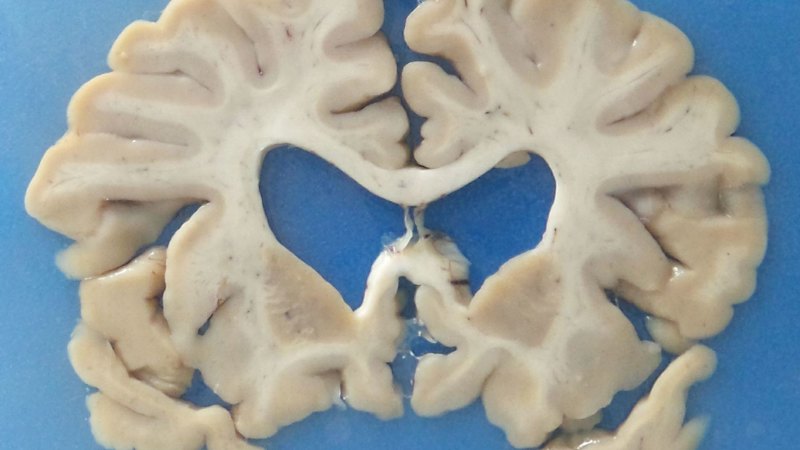
The diagnosis of Chronic Traumatic Encephalopathy (CTE) in 23-year-old AFL player Nick Lowden, the youngest ever to receive such a diagnosis, has ignited a significant discussion about the safety of contact sports, particularly for young athletes. Lowden's case, as reported by the ABC, highlights the potential long-term neurological risks associated with Australian Rules Football. In response to this alarming development, one expert has proposed a ban on children under the age of 18 participating in the sport. This suggestion underscores the growing concern among medical professionals and the public regarding the cumulative impact of head impacts experienced during formative years. The debate now centers on how to balance the benefits of youth sports participation with the imperative to protect players from potentially devastating brain conditions like CTE. The case of Nick Lowden serves as a stark reminder of the serious health considerations involved in high-impact sports.
The case of Nick Lowden, diagnosed with CTE at an unprecedented young age in the AFL, brings into sharp focus the long-term health consequences of repetitive head trauma in professional and youth sports. While the expert's call for an under-18 ban addresses a critical safety concern, it raises complex questions about risk mitigation versus participation. Future approaches may involve a multi-faceted strategy, including enhanced protective equipment, stricter enforcement of rules against dangerous play, improved concussion protocols, and potentially age-based or experience-based limitations on participation in high-risk contact sports. The challenge lies in developing effective interventions that safeguard player health without unduly restricting access to sports that offer significant physical, social, and developmental benefits, particularly as the understanding of neurodegenerative diseases evolves in the coming decade.
AI-generated to prompt reflection — not editorial opinion, not advice, not a statement of fact. How this works.