Africa's Economic Future Navigates a Multipolar Global Order
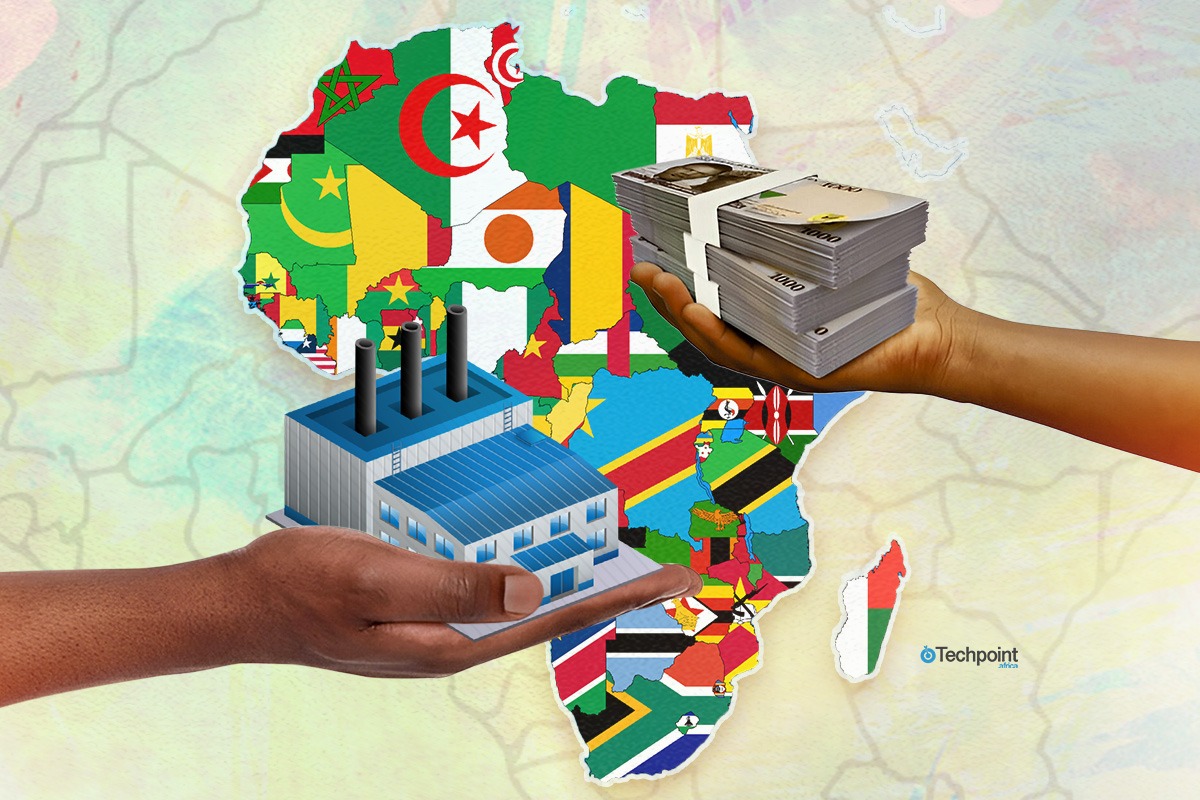
While recent high-level discussions between the US and China may temporarily ease trade tensions and restore economic normalcy, underlying competition remains intense. The global economic landscape is undergoing a significant transformation, moving towards a multipolar order. Key areas of contention include the strategic control of semiconductors, the resilience of global supply chains, international security arrangements, the sourcing of critical minerals essential for modern technology, and the ongoing challenge of climate change. These complex issues ensure that competition among major global powers will continue to shape economic and geopolitical dynamics for the foreseeable future. Africa, as a continent with growing economic potential and rich natural resources, finds itself at a critical juncture within this evolving global framework. Its economic future will be significantly influenced by how it navigates these multipolar dynamics and leverages its position in critical resource supply chains. The continent's ability to foster strategic partnerships and ensure equitable benefit from its resources will be paramount.
The evolving multipolar global order presents both opportunities and challenges for African economies. While increased competition among major powers could lead to greater investment and partnership offers, it also risks exacerbating existing vulnerabilities if not managed strategically. African nations must focus on strengthening their domestic industrial bases, diversifying trade relationships beyond traditional partners, and developing robust governance frameworks to ensure they benefit equitably from global resource demands. The imperative is to move beyond being mere suppliers of raw materials and to capture more value within global supply chains, particularly in critical minerals and renewable energy technologies. Navigating this complex landscape requires proactive diplomacy and a clear vision for long-term economic development that prioritizes self-sufficiency and regional integration.
AI-generated to prompt reflection — not editorial opinion, not advice, not a statement of fact. How this works.