Africa's Intellectuals: Catalysts for Change or Cogs in the System?
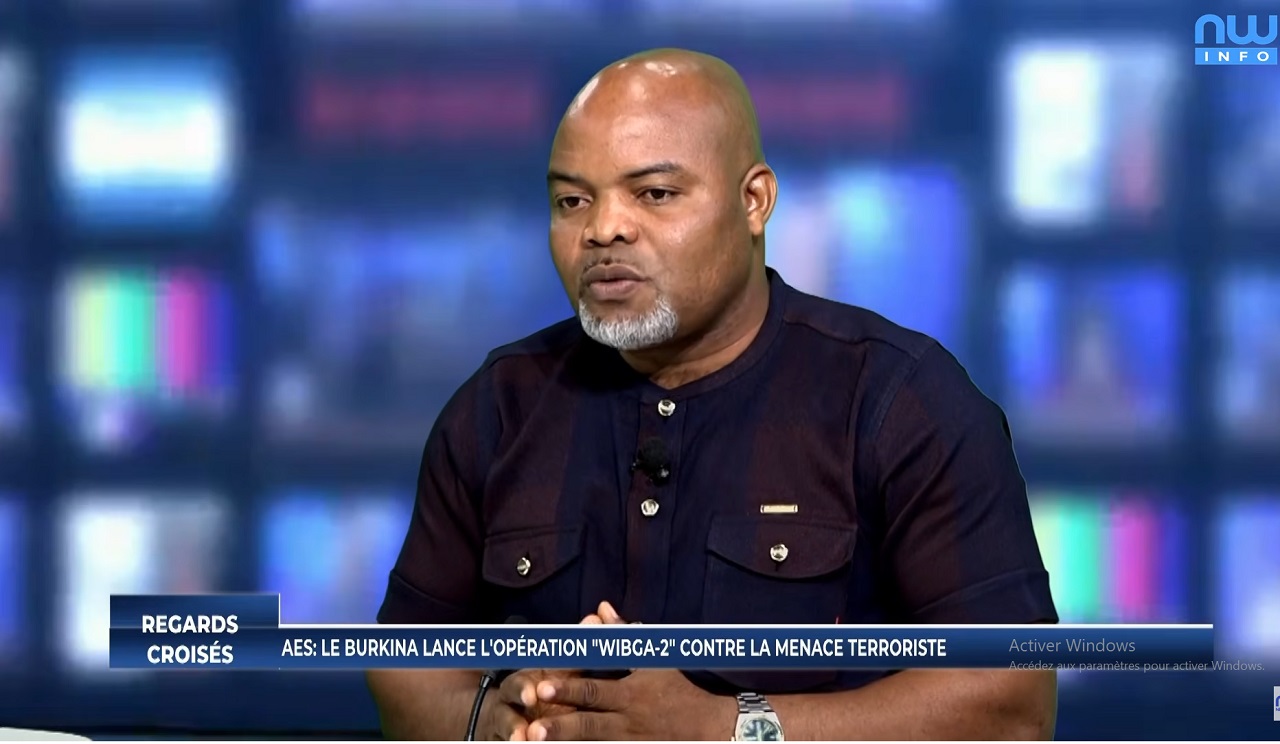
Amidst Africa's political and economic challenges, a critical question arises regarding the role of its intellectuals. The author probes whether these thinkers, often educated in prestigious academic settings, are effectively contributing to the continent's progress. There is a concern that some intellectuals may become detached from grassroots realities or align too closely with power structures. This alignment can potentially stifle critical discourse and independent thought. The piece suggests a need for intellectuals to maintain their critical distance and actively engage with societal issues. It questions whether their influence is truly transformative or merely serves to legitimize existing systems. Ultimately, the article calls for a re-evaluation of the intellectual's function in driving meaningful change across Africa.
This commentary examines the complex relationship between African intellectuals and the political and economic systems they inhabit. It raises questions about whether academic elites are sufficiently challenging established power structures or if they risk becoming integrated into them, potentially diluting their critical function. The analysis suggests that the incentive structures for intellectuals may inadvertently encourage alignment with ruling establishments rather than fostering independent critique. This dynamic could limit the capacity for systemic reform and hinder the development of innovative solutions to the continent's pressing issues. Future considerations might involve exploring alternative models for intellectual engagement that prioritize societal impact and critical autonomy, ensuring that academic expertise translates into tangible progress.
AI-generated to prompt reflection — not editorial opinion, not advice, not a statement of fact. How this works.