African Energy Forum Calls for Action Over Ambition to Drive Continent's Growth
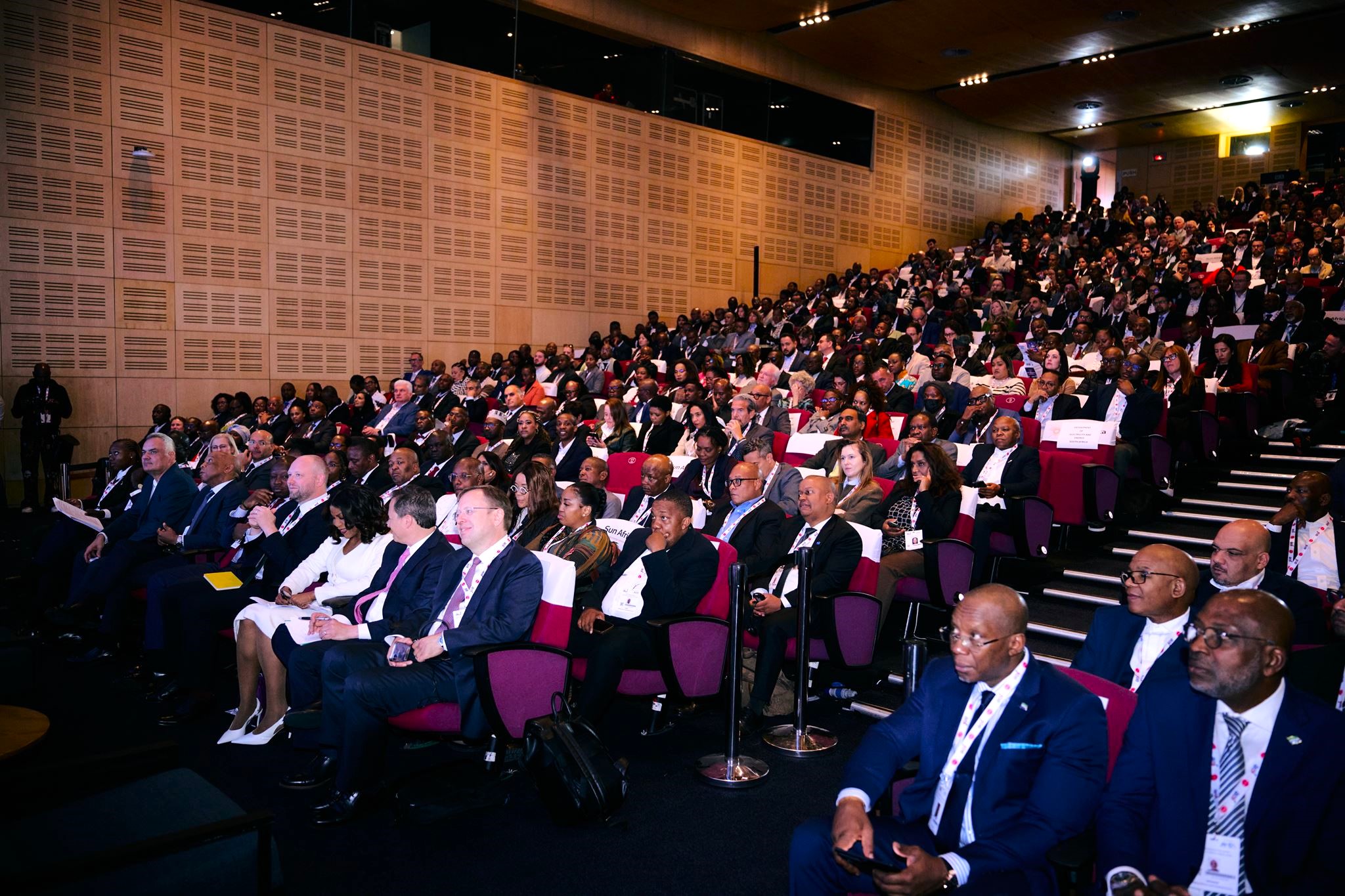
At a recent forum in Cape Town, African leaders and stakeholders emphasized the urgent need to transition from setting energy goals to actively implementing projects that will foster the continent's development. Energy remains a pivotal challenge for 21st-century Africa, impacting industrial expansion, educational opportunities, healthcare access, and employment across the continent. Africa possesses significant renewable energy resources, including exceptional solar irradiation, abundant hydro and wind power potential, and geothermal energy. Despite this potential, the continent faces substantial energy deficits, hindering its economic progress and the well-being of its population. The forum highlighted that realizing Africa's growth ambitions is intrinsically linked to addressing these energy challenges effectively. Discussions focused on practical strategies and actionable steps to harness the continent's vast energy resources. The goal is to move beyond discussions and achieve tangible results in energy provision. This shift is seen as crucial for unlocking Africa's full economic and social potential.
The call from the African energy forum underscores a critical juncture where potential must translate into tangible infrastructure. The continent's rich renewable resources present a significant opportunity, yet historical underinvestment and implementation gaps have created persistent energy deficits. The challenge lies in navigating complex financing landscapes, regulatory frameworks, and geopolitical considerations to ensure energy projects are not only planned but successfully executed. Focusing on delivery over ambition is essential for fostering industrialization, improving living standards, and creating sustainable economic growth in the coming decade. This transition requires robust public-private partnerships and a commitment to overcoming logistical and political hurdles to unlock Africa's developmental trajectory.
AI-generated to prompt reflection — not editorial opinion, not advice, not a statement of fact. How this works.