African Leadership and Science Unite to Combat Ebola Outbreak
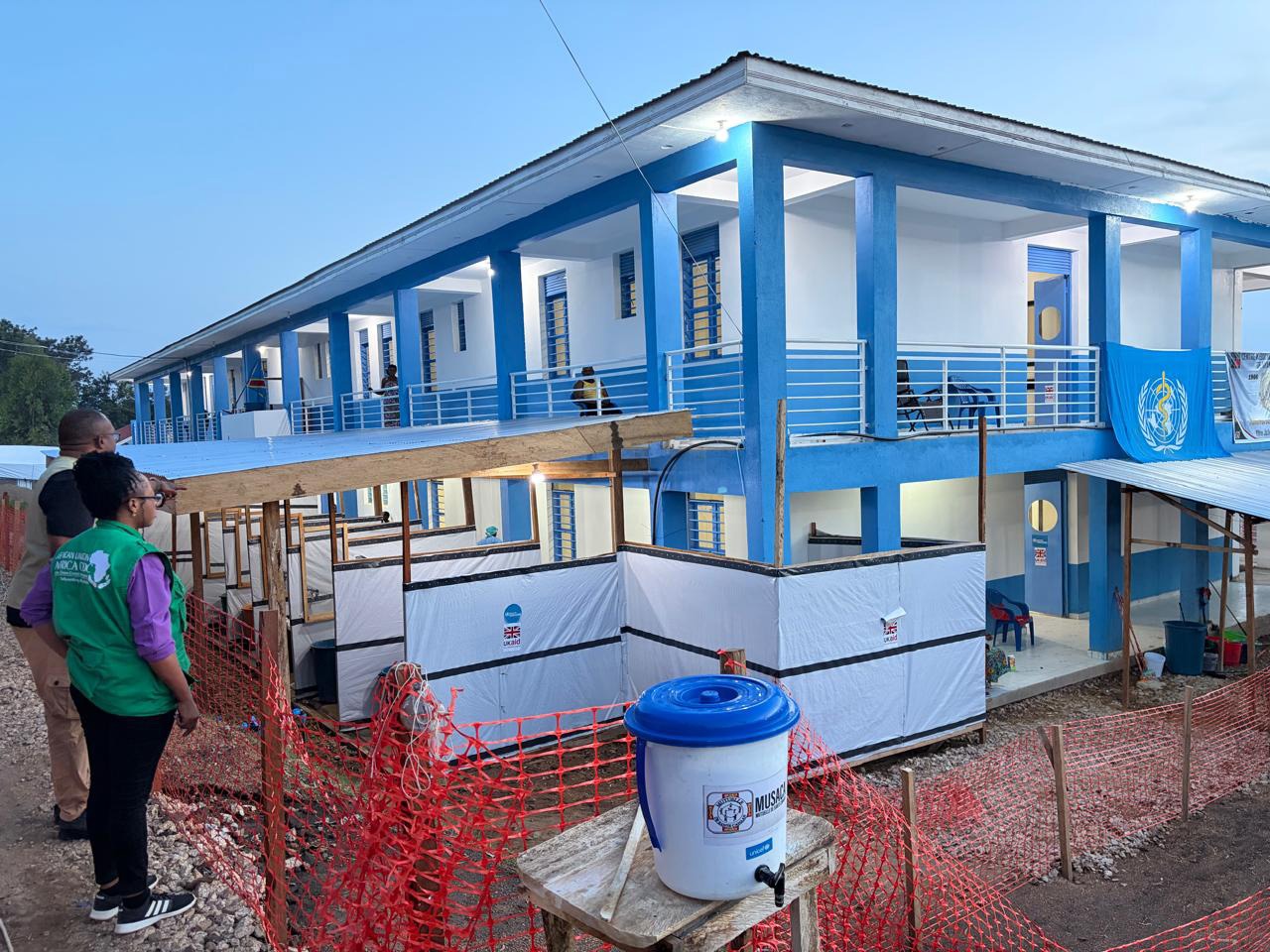
The current Ebola outbreak in the eastern Democratic Republic of Congo presents a significant challenge to the continent's public health infrastructure. However, this epidemic is marked by a distinct shift from previous ones, with African institutions, scientists, and governments taking a more prominent leadership role. These entities are collaborating across national borders in a concerted effort to contain the spread of the virus. This coordinated approach aims not only to manage the immediate crisis but also to bolster long-term health security across Africa. The emphasis on African-led solutions highlights a growing capacity and commitment to addressing health emergencies within the continent.
This Ebola outbreak demonstrates a critical evolution in Africa's public health response capabilities, moving towards greater regional autonomy and collaboration. The increased reliance on African institutions and scientists signals a maturing of domestic expertise and a strategic pivot away from solely external aid dependency. This shift could foster more sustainable and contextually appropriate health security frameworks, potentially reducing response times and improving long-term resilience against future epidemics. The success of this African-led model will be a key indicator of the continent's capacity to manage complex health crises in the coming decade, influencing global health governance and resource allocation dynamics.
AI-generated to prompt reflection — not editorial opinion, not advice, not a statement of fact. How this works.