African Shippers Convene in Douala to Address Maritime Transport Challenges
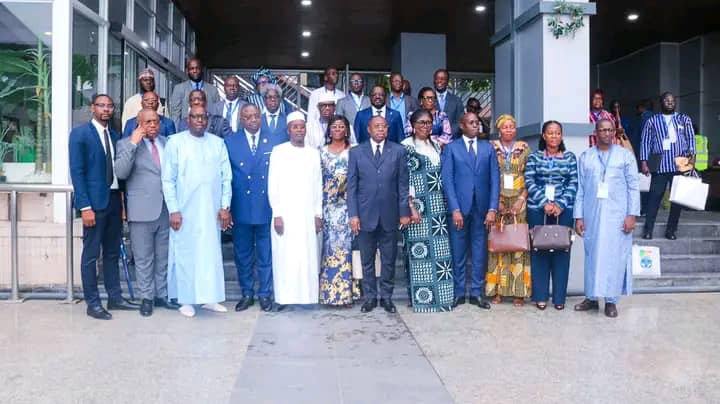
Representatives from African Shippers' Councils are meeting in Douala, Cameroon, from July 8, 2026, to discuss critical issues impacting continental trade. The ordinary session of the Steering Committee of the Union of African Shippers' Councils (UCCA) aims to enhance the competitiveness of African economies by tackling challenges such as high port costs, rising freight rates, and the need for harmonized procedures. The event, organized by the UCCA General Secretariat and the National Shippers' Council of Cameroon (CNCC S.A), has brought together delegates from fifteen Shippers' Councils, including eight directors general. Auguste Mbappe Penda, Director General of CNCC S.A and statutory treasurer of UCCA, highlighted the significance of this gathering in Cameroon. Dr. Dominique Candide Fabrice Koumou Boulas, UCCA's acting president and Director General of the Congolese Shippers' Council, noted the meeting occurs amidst ongoing global tensions in maritime transport. Key discussion points include reducing port transit costs and times, the effects of fluctuating freight rates, surcharges on African international trade, and the standardization of the Cargo Tracking Note (Bordereau de suivi de cargaison). Participants will also review the implementation of past resolutions and explore reforms to strengthen coordination among Shippers' Councils, ultimately seeking to sustainably improve international goods transport conditions and trade competitiveness across Africa.
This UCCA meeting in Douala underscores the persistent systemic challenges facing African maritime trade. The focus on port costs, freight rates, and procedural harmonization reflects an ongoing effort to mitigate external economic pressures and internal inefficiencies. The discussions highlight a strategic imperative for African nations to collectively enhance their negotiating power and operational efficiency within global supply chains. Looking ahead, the integration of digital trade facilitation tools and the development of regional logistics infrastructure will be crucial for achieving sustainable improvements in competitiveness, moving beyond incremental procedural adjustments to address the structural underpinnings of trade costs.
AI-generated to prompt reflection — not editorial opinion, not advice, not a statement of fact. How this works.