African Students Reconsider US Education Due to Visa Hurdles and Costs
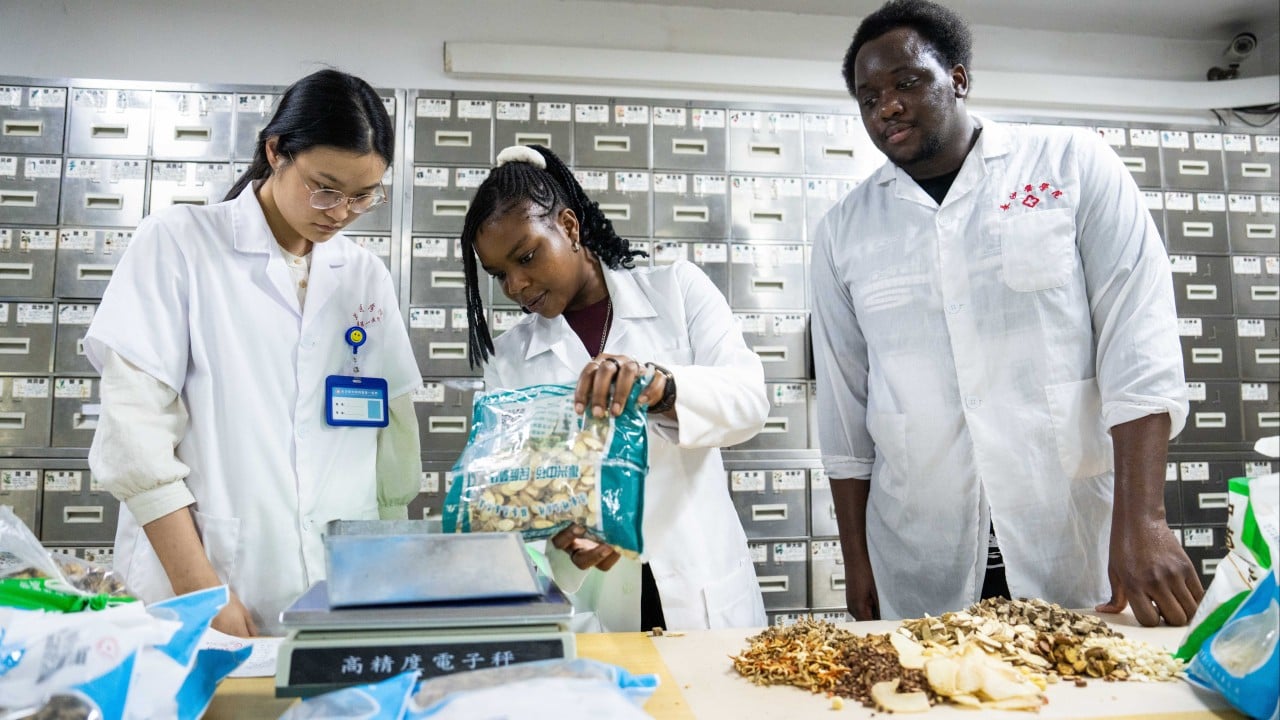
African students are increasingly reconsidering their plans to study in the United States due to evolving U.S. immigration policies, stricter visa regulations, and escalating university costs. These factors, amplified during the second Trump administration, are prompting a shift in educational aspirations. Previously, U.S. colleges were viewed as a prime destination for high-quality education and career advancement. However, a combination of these challenges is causing students to explore alternative destinations. The article highlights the personal impact of these changes, as exemplified by the experience of 23-year-old Kunle Adeyemi, who faced disappointment after being denied a visa. This trend suggests a significant recalibration of international student mobility, particularly from Africa, as they seek more accessible and predictable pathways to higher education and future opportunities.
Shifting geopolitical and economic landscapes are demonstrably influencing global student mobility. The U.S. government's immigration policies and the rising cost of higher education present significant barriers, potentially impacting the diversity and talent pool within American academic institutions. As African students seek alternative destinations, countries and universities that offer clearer visa pathways and more competitive pricing may gain a competitive advantage. This dynamic underscores the importance of predictable and welcoming immigration policies for maintaining a nation's global educational leadership and fostering international collaboration in the long term. The trend also highlights the need for educational institutions worldwide to adapt to evolving student demographics and preferences.
AI-generated to prompt reflection — not editorial opinion, not advice, not a statement of fact. How this works.