African Swine Fever Outbreak in Serbia Leads to Culling of 11,000 Pigs
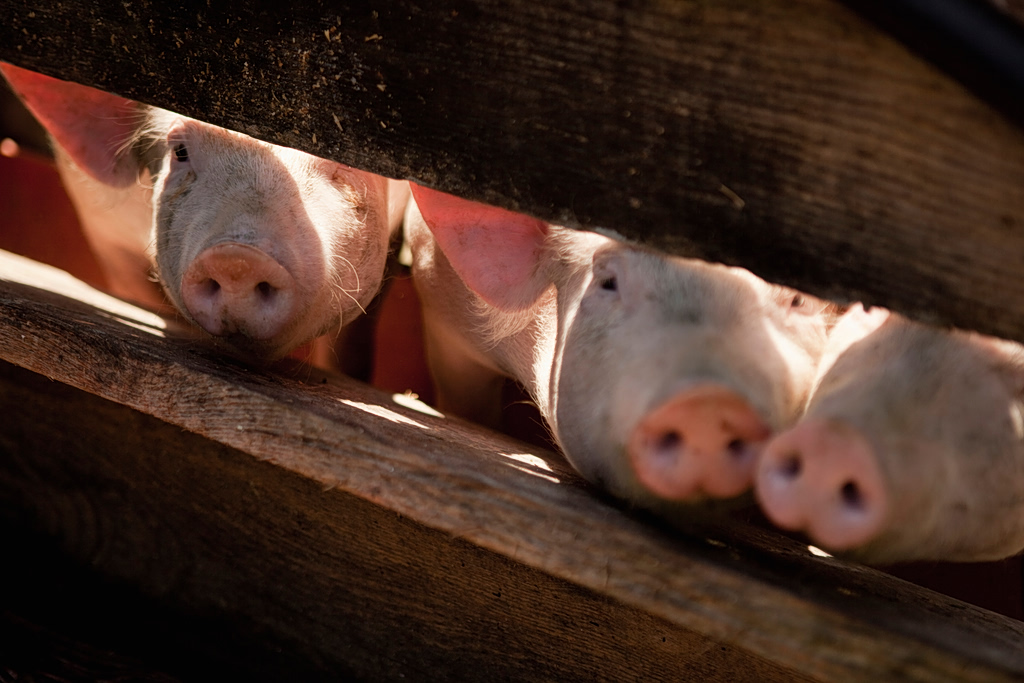
African swine fever has been detected on a large farm in the Vojvodina region of northern Serbia. Serbian Minister of Agriculture, Water Management, and Forestry, Dragan Glamočić, confirmed the virus's presence in the village of Krćevac. As a result, authorities have initiated the culling of approximately 11,000 pigs on the affected farm. The minister stated that the process of euthanizing the animals will commence immediately and will be carried out according to established protocols. This outbreak poses a significant threat to the country's swine population and agricultural economy. Further details regarding the extent of the spread and containment measures are expected as the situation develops. The government is likely to implement strict biosecurity protocols to prevent further transmission of the highly contagious disease.
The detection of African swine fever in Serbia highlights the ongoing challenges in managing highly contagious animal diseases within agricultural systems. The rapid response involving the culling of 11,000 pigs underscores the severe economic implications and the imperative for swift containment to prevent wider epizootics. Future strategies will likely focus on enhanced biosecurity measures, improved surveillance networks, and potentially international cooperation to mitigate the risks associated with transboundary animal disease spread. The long-term impact on the Serbian pork industry and regional trade will depend on the effectiveness of these control measures and the resilience of the agricultural sector in adapting to such health crises.
AI-generated to prompt reflection — not editorial opinion, not advice, not a statement of fact. How this works.