African Swine Fever Outbreak Leads to Culling on Serbian Farm
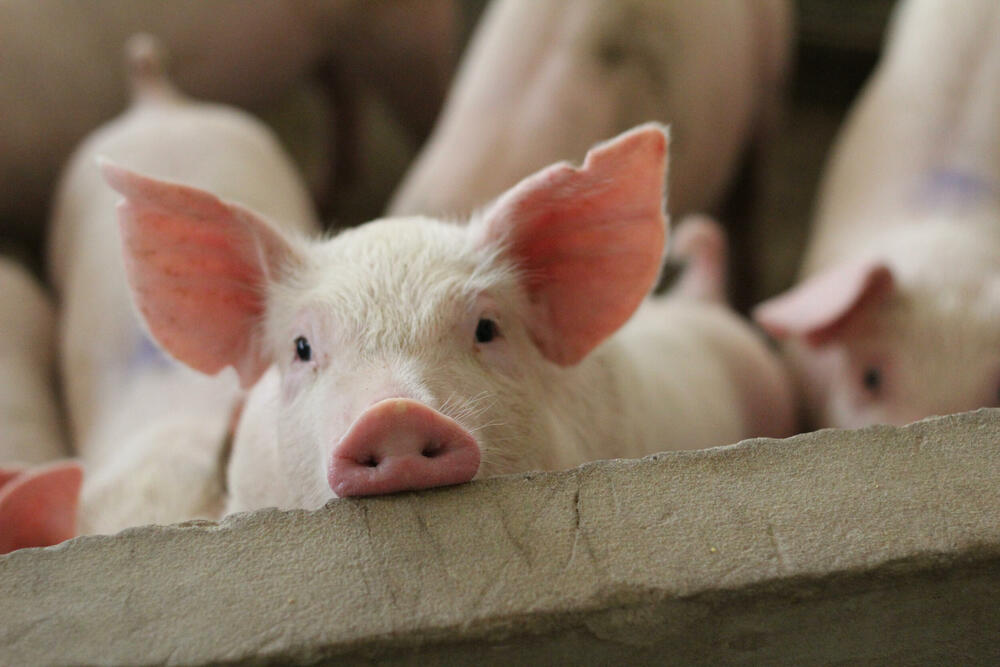
African swine fever has been detected on a farm near Ruma, Serbia, necessitating the culling of pigs to contain the virus. Minister of Agriculture Dragan Glamočić emphasized the urgency of eradicating the virus, stating that "the virus must be removed as soon as possible." The Serbian government has pledged to compensate the farm owner for the losses incurred. However, the farm will be prohibited from housing new pigs for a period of six months to one year following the outbreak. Minister Glamočić highlighted the ease with which the virus can spread, noting that "just one moment of carelessness and the virus enters the farm."
The outbreak of African swine fever underscores the critical importance of biosecurity measures in livestock management. The state's compensation mechanism aims to mitigate immediate economic hardship for the affected farmer, but the extended ban on new stock reflects the long-term challenges of disease eradication. This situation highlights the systemic risk posed by infectious animal diseases, which can have significant economic and food security implications. Future strategies will likely need to focus on enhanced surveillance, rapid response protocols, and potentially greater investment in preventative infrastructure to safeguard the agricultural sector against such zoonotic threats.
AI-generated to prompt reflection — not editorial opinion, not advice, not a statement of fact. How this works.