African teams largely justified expanded World Cup berths despite late-game lapses
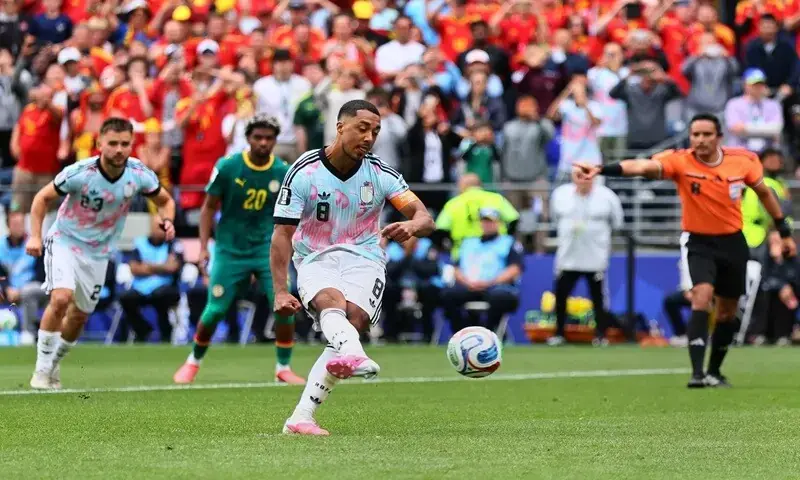
Despite criticism from figures like former Italy coach Gennaro Gattuso, African teams largely proved their worth in the expanded 48-nation 2026 World Cup, with nine of the ten representatives reaching the knockout stages. Only Tunisia had a disastrous performance, losing all three group games. The other nine teams advanced, with five finishing as group runners-up and four qualifying as the best third-placed teams, representing a 90% success rate for the continent, the highest among FIFA confederations. This performance contrasts with Europe's 81.25% success rate in reaching the knockout stage. While European teams dominated the quarter-finals with six entries, Africa and South America each had one representative. African teams struggled in the round of 32, with seven eliminations, though Egypt reached the round of 16 and Morocco advanced to the quarter-finals for the second time. A recurring issue for African sides was conceding late goals, with star players from Argentina, England, and Norway capitalizing on these lapses. Senegal, tipped as a potential top performer, suffered a dramatic collapse against Belgium, surrendering a two-goal lead late in the game. Coach Hossam Hassan of Egypt speculated about "external pressure" on the referee in their loss to Argentina, a claim refuted by FIFA referees chief Pierluigi Collina. Analysts like Thierry Henry and Zlatan Ibrahimović pointed to a drop in focus and poor game management as reasons for these late collapses. Morocco's quarter-final exit against France highlighted the remaining gap between African and top European teams, though coach Mohamed Ouahbi acknowledged France's superior talent. Cape Verde, despite not winning a match, captivated audiences with their spirited performances, including a draw against Spain and reaching the last 32, significantly boosting their goalkeeper Vozinha's social media following.
The performance of African teams in the expanded World Cup suggests that increased representation aligns with competitive outcomes, challenging prior assumptions about continental parity. While late-game defensive lapses and a gap against elite European opposition remain areas for development, the overall success rate in reaching the knockout stages indicates a positive trajectory for African football. The analysis of game management and focus, as highlighted by former players, points to potential areas for tactical and psychological coaching improvements. Looking ahead, the continued investment in infrastructure, such as the stadium being built in Morocco for the 2030 World Cup, alongside the emergence of captivating underdog stories like Cape Verde, signals growing global interest and potential for further competitive growth across the continent. This suggests a need for FIFA and continental federations to continue supporting development pathways while addressing specific tactical challenges to maximize future potential.
AI-generated to prompt reflection — not editorial opinion, not advice, not a statement of fact. How this works.