African Teams Show Maturity and Potential at 2026 World Cup
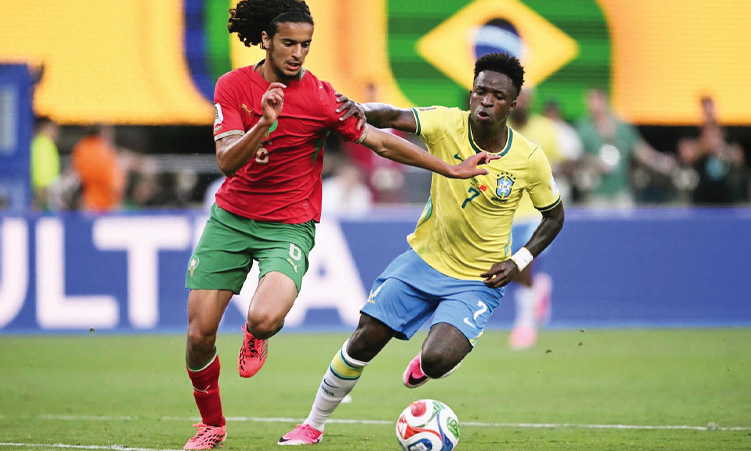
African football has demonstrated a significant leap forward at the 2026 World Cup, marking a coming-of-age moment for the continent's teams. Historically, African nations have faced challenges in making a substantial impact on the global stage of the tournament. However, the 2026 edition has seen a notable shift in performance and presence. The World Cup, a quadrennial event since its inception in 1930, with exceptions in 1942 and 1946 due to World War II, has provided the platform for this evolution. This year's tournament suggests a new era for African representation, moving beyond participation to competitive contention. The improved performance indicates a growing investment in talent development and tactical strategies across African football federations. This progress is a testament to the sustained efforts to elevate the sport on the continent.
The 2026 World Cup performance by African nations signifies a potential paradigm shift in global football dynamics. This development suggests that strategic investments in player development, coaching infrastructure, and long-term planning are yielding tangible results. The increased competitiveness could lead to a more diversified global football landscape, potentially challenging established powerhouses and creating new market opportunities within the sport. Looking ahead, sustained success will likely depend on continued institutional support, fostering domestic leagues, and leveraging technological advancements in training and performance analysis. The evolving landscape presents both opportunities for growth and the challenge of maintaining momentum against well-resourced international competitors.
AI-generated to prompt reflection — not editorial opinion, not advice, not a statement of fact. How this works.