African Tulip Tree: Scientific Evidence on Bee Mortality Remains Inconclusive
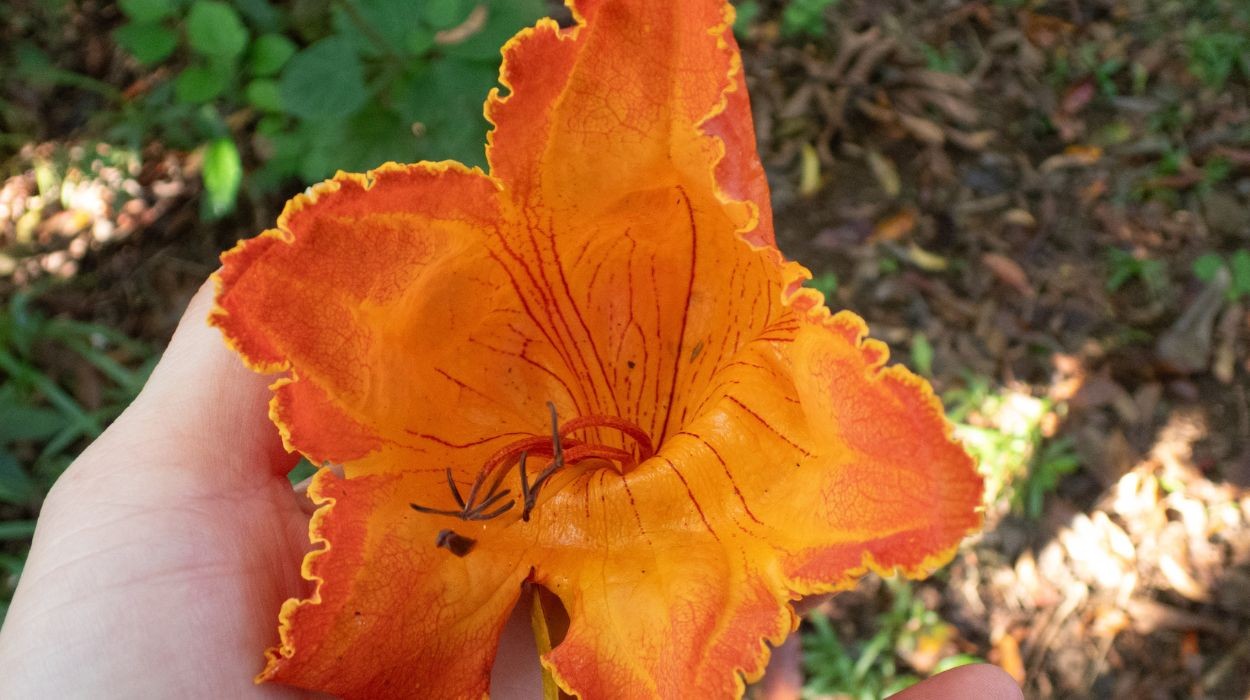
The African Tulip Tree (Spathodea campanulata), known for its large orange flowers, is at the center of an environmental debate in São Paulo, Brazil. A proposed bill in the Legislative Assembly of São Paulo (Alesp) seeks to restrict its planting, citing potential risks to bees and other pollinators. Despite gaining notoriety on social media as a 'bee killer,' scientific consensus on this claim is lacking. The species, originally from Africa, was introduced to Brazil decades ago for urban landscaping due to its rapid growth and vibrant blooms. However, some studies suggest a possible link between its flowers and the mortality of certain bee species, particularly stingless bees, though this remains a point of contention among researchers. Harri Lorenzi, founder of the Plantarum Botanical Garden and an agronomist with a master's in Botany, states that current scientific evidence is insufficient to definitively link the tree to pollinator deaths, noting a scarcity of research and a lack of consensus. Lorenzi clarifies that while the Spathodea is an exotic species, it is not considered invasive, as it does not spread uncontrollably without human intervention. Studies conducted at the Plantarum Botanical Garden around 20 years ago, comparing dead stingless bees found on Spathodea flowers with those on similar botanical species, did not reveal statistically significant differences. However, these findings were not published in peer-reviewed journals. Beyond the pollinator debate, Lorenzi reports no other significant biodiversity impacts from the Spathodea, such as natural hybridization or uncontrolled wild populations. He advocates for a gradual replacement of the species, avoiding the removal of mature trees but discouraging future plantings in favor of native species. Additionally, Lorenzi advises against planting Spathodea on public streets due to its large size and the potential for its succulent flowers to cause pedestrian falls. The overarching expert agreement emphasizes prioritizing native trees for urban landscaping to support local ecosystems and fauna.
The debate surrounding the Spathodea campanulata highlights a common tension between the aesthetic and functional benefits of exotic species in urban environments and potential ecological impacts. While social media narratives have amplified concerns about bee mortality, rigorous scientific validation remains elusive, as indicated by the lack of peer-reviewed studies and ongoing expert disagreement. This situation underscores the importance of evidence-based policy-making, particularly when restricting established urban flora. Moving forward, a balanced approach is needed, prioritizing native species for new plantings to support local biodiversity and ecosystem health, while carefully considering the disruption caused by removing mature, non-invasive exotic trees. Future research should focus on robust, transparent methodologies to resolve such ecological questions, informing sustainable urban planning in the face of evolving environmental understanding and the increasing pressures of climate change and habitat loss.
AI-generated to prompt reflection — not editorial opinion, not advice, not a statement of fact. How this works.