African Union, Arab League, OIC Condemn Israeli Actions in Occupied Palestinian Territories
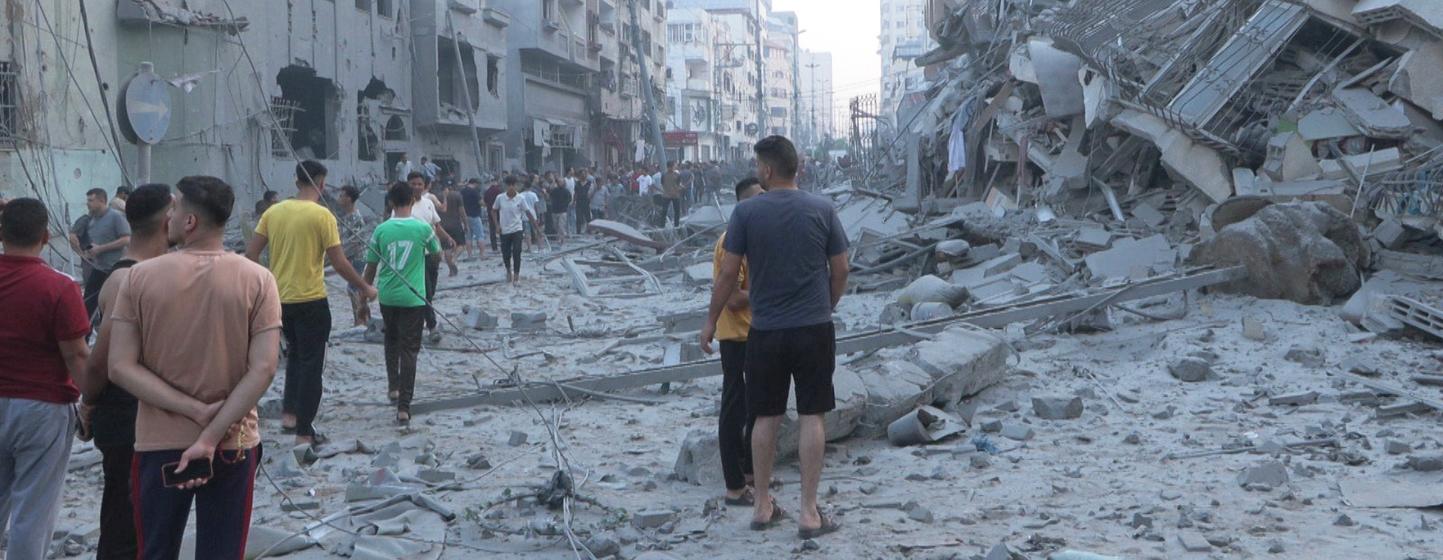
The African Union (AU) Commission, the League of Arab States, and the Organization of Islamic Cooperation (OIC) have jointly condemned Israel's "illegal practices" within the occupied Palestinian territories. Issued on Wednesday, their joint statement expressed strong disapproval of Israel's ongoing annexation and settlement plans, deeming these actions a severe threat to lasting peace and a violation of international law. The organizations rejected Israel's policies, characterizing them as "invalid measures" and a blatant breach of international law and UN resolutions. They specifically denounced Israel's "violation of the fundamental freedoms and rights of the Palestinian people," citing the implementation of an apartheid system that discriminates based on race and religion.
The three bodies urged the international community to fulfill its legal and political obligations by taking concrete steps to ensure international protection for Palestinians. They called for an immediate cessation of Israeli occupation policies, including annexation, population displacement, sieges, and settlement expansion. Reaffirming their commitment to a two-state solution based on 1967 borders, with East Jerusalem as the capital of an independent Palestinian state, they advocated for diplomatic efforts to secure peace and advance a sustainable political resolution. Furthermore, they demanded that Israeli authorities unconditionally lift all restrictions on UN agencies and international NGOs, emphasizing the critical role these organizations play in essential humanitarian efforts.
This joint condemnation by the AU, Arab League, and OIC highlights a significant alignment of international bodies against specific Israeli policies in the occupied territories. The critique focuses on actions perceived as violations of international law and human rights, particularly settlement expansion and discriminatory practices. From a systemic perspective, these actions challenge the established international legal framework governing occupied territories and the pursuit of a two-state solution. The call for international accountability and protection underscores the perceived inadequacy of current mechanisms to enforce international norms. Looking ahead, the tension between national security imperatives, expansionist policies, and international legal obligations will likely continue to shape regional dynamics, potentially influencing diplomatic strategies and the efficacy of international governance in conflict resolution.
AI-generated to prompt reflection — not editorial opinion, not advice, not a statement of fact. How this works.