African World Cup Representation Expansion Defended Amidst Criticism
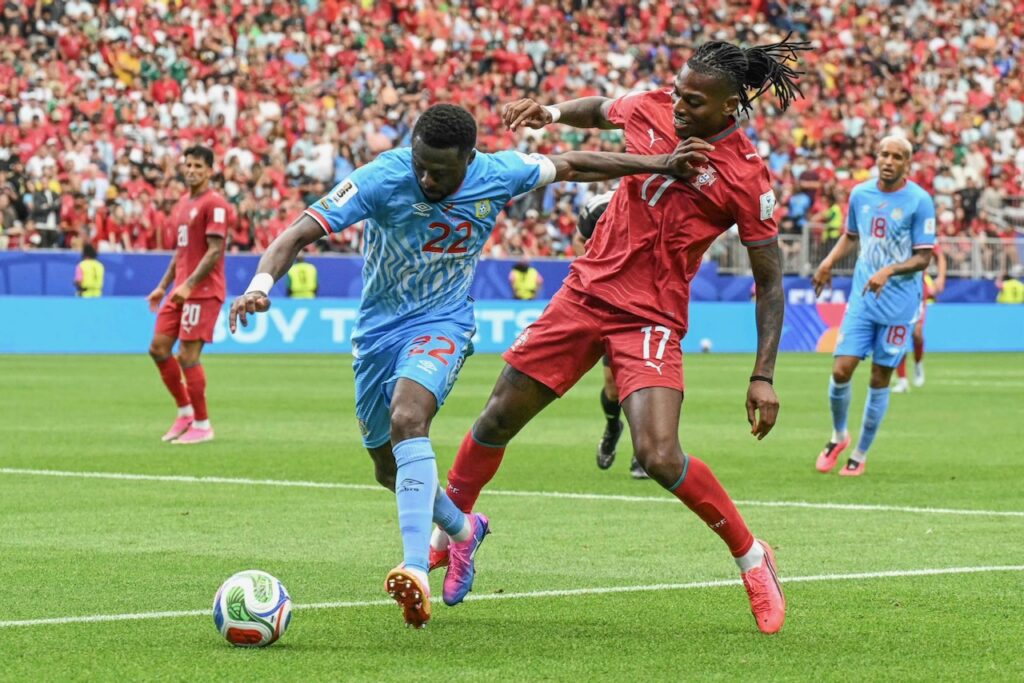
The expansion of Africa's World Cup qualifying slots from five to nine for the 2026 tournament has been met with criticism, notably from former Italy coach Gennaro Gattuso. Gattuso, whose four-time World Cup-winning nation Italy failed to qualify for the 2026 event, suggested that Africa deserved fewer automatic berths. This perspective highlights a debate surrounding the allocation of spots in the expanded 48-team World Cup. The increase aims to provide greater representation for continents that have historically had fewer opportunities on the global stage. However, the performance of African teams in past tournaments is often cited as a point of contention in discussions about the merit of increased representation. The debate centers on balancing inclusivity with competitive balance in the world's premier international football competition. The 2026 World Cup will feature 48 teams, a significant increase from the previous 32-team format.
The expansion of World Cup slots for African nations reflects a broader trend towards greater global inclusivity in major sporting events. While criticism, such as that voiced by Gennaro Gattuso, often focuses on historical performance metrics, such arguments may overlook the developmental trajectory of football across different confederations. Increased representation can foster investment and participation, potentially elevating the competitive level of African teams in the long term. The decision by FIFA to allocate more slots acknowledges the growing global reach of football and aims to democratize access to the tournament. Future performance will be a key indicator of whether this expansion successfully balances competitive integrity with equitable representation, potentially influencing future allocation models based on evolving global football dynamics.
AI-generated to prompt reflection — not editorial opinion, not advice, not a statement of fact. How this works.