Africanized Bees Responsible for Fatal Attack in Guarujá, São Paulo
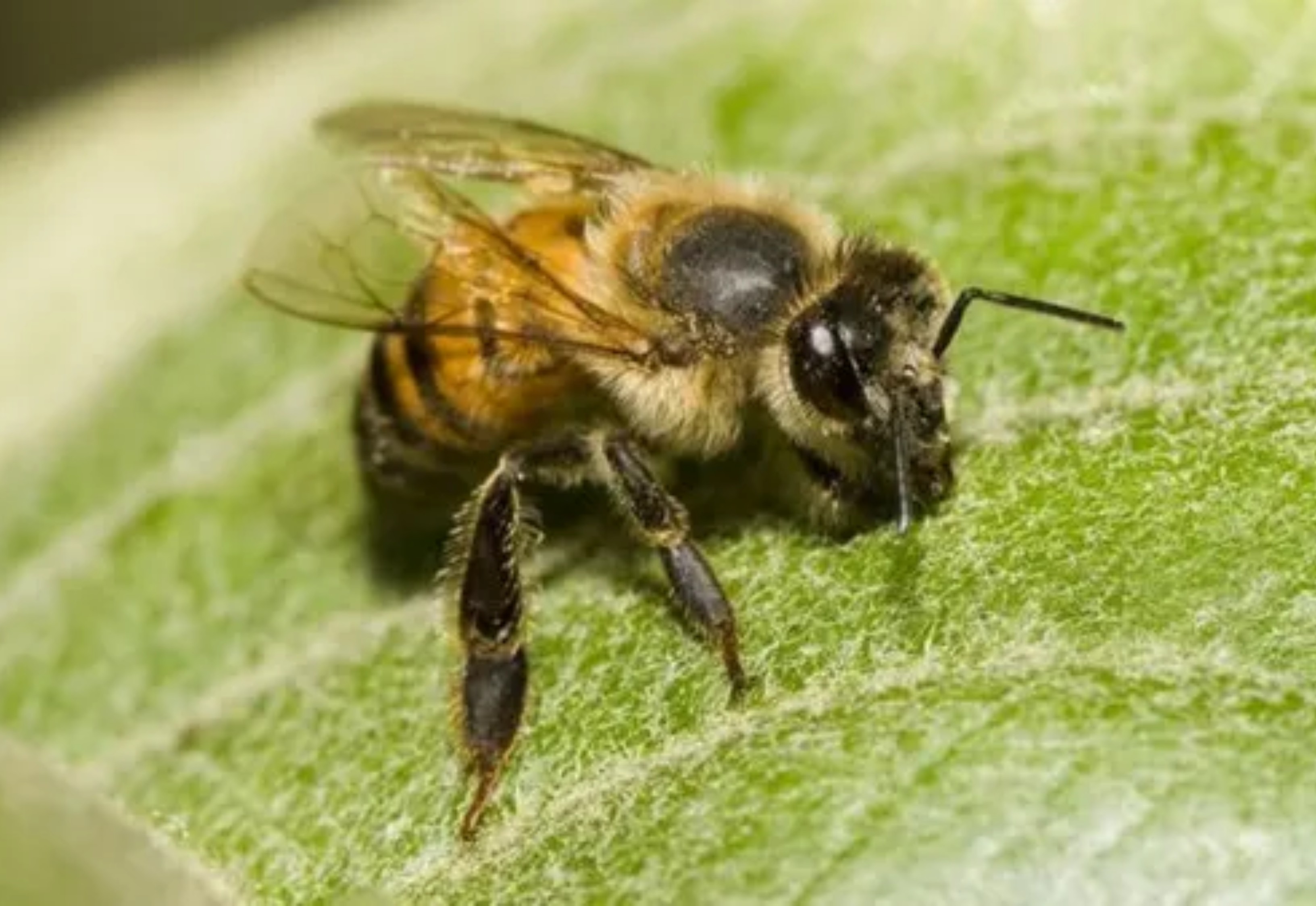
A man died in Guarujá, on the coast of São Paulo, after being attacked by a swarm of Africanized bees, commonly known as 'killer bees'. The incident occurred on Saturday, May 27th, while the victim was clearing land. He was rescued by the Fire Department but succumbed to his injuries. The bees, identified as Apis mellifera, are characterized by their aggressive defense mechanisms, including detecting threats from over 30 meters away and pursuing targets for extended distances. Experts explain that their danger lies not in venom toxicity, which is similar to European bees, but in their tendency to attack in massive numbers. A single bee's alarm pheromone can mobilize hundreds or thousands of others. Africanized bees originated in Brazil in the 1950s from an accidental cross between African and European bee subspecies, initially imported for honey production research. The escaped African queens interbred with local European bees, creating a hybrid that rapidly spread across the Americas. The Guarujá City Hall stated that bees are vital for ecosystem balance and should be relocated, not eliminated, according to federal environmental law. Specialized teams can be contacted via the Municipal Civil Guard. In case of an attack, authorities advise running in a straight line, protecting the head and face, seeking enclosed shelter, and removing stingers promptly without squeezing them. Medical attention is crucial, especially for multiple stings or signs of allergic reaction.
This incident highlights the public safety challenges posed by the proliferation of Africanized bees, a hybrid species resulting from historical genetic research. While the bees' defensive behavior is a natural biological response, their amplified aggression and swarm coordination present a significant risk to human populations. The event underscores the need for robust public awareness campaigns and readily accessible, specialized removal services to mitigate such tragic outcomes. Future urban planning and land management strategies should consider the ecological role of pollinators alongside the imperative to ensure community safety, fostering a coexistence that minimizes human-wildlife conflict through informed practices and infrastructure.
AI-generated to prompt reflection — not editorial opinion, not advice, not a statement of fact. How this works.