Afroito's crowdfunding for home purchase and rent sparks debate
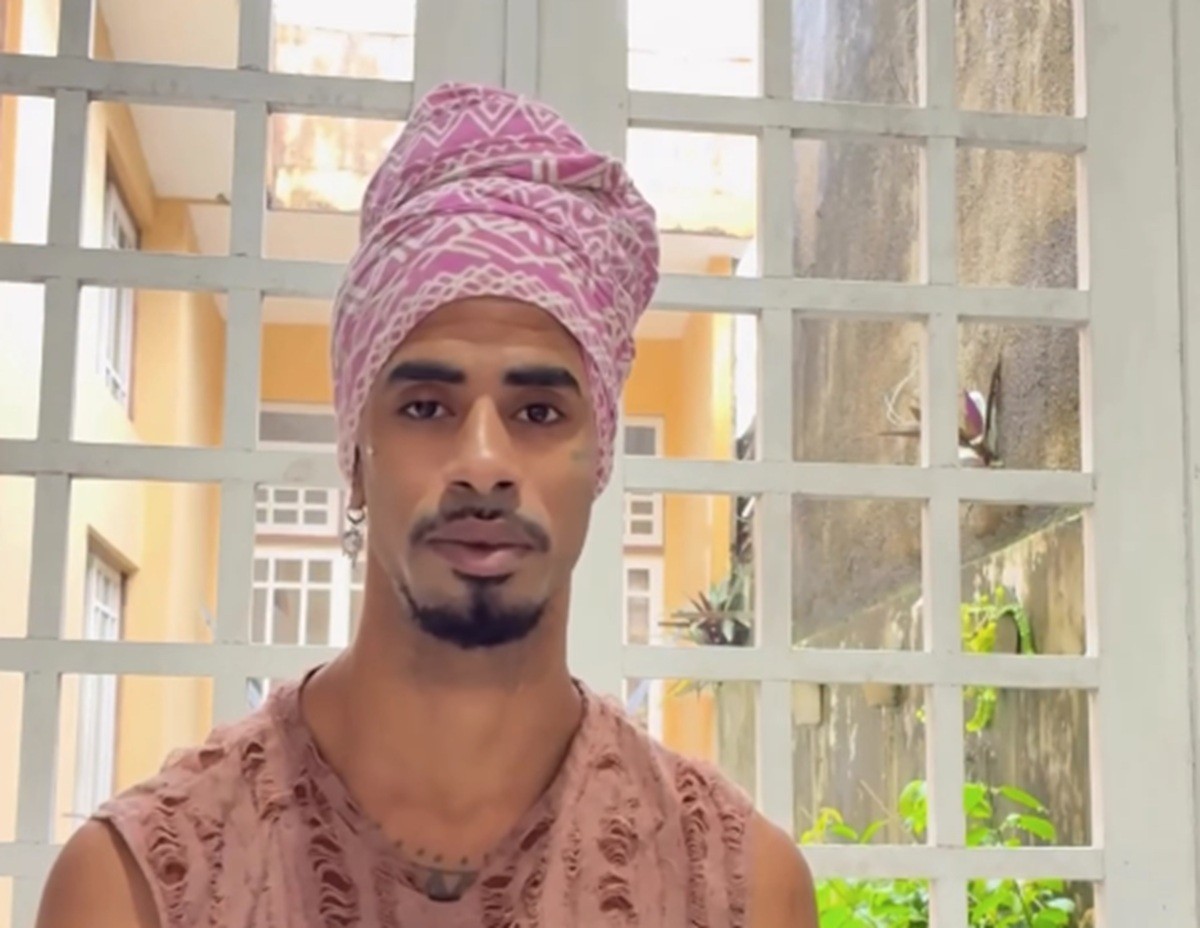
Pernambucan singer Afroito has sparked controversy by launching a crowdfunding campaign aiming to raise R$ 1 million. The funds are intended to cover six months of overdue rent, totaling R$ 30,000 (R$ 5,000 per month), and to purchase the house he currently rents in Recife. Afroito explained that he chose the property for its suitability for his professional activities and invested heavily in renting it during a career upswing. However, a lack of upcoming shows has led to financial difficulties. He acknowledged the criticism, admitting it was a mistake to launch the campaign and taking responsibility for the situation. The campaign, promoted on Instagram and TikTok where he has over 48,000 followers, has so far raised R$ 9,045, approximately 1% of its goal, with 50 days remaining. The house purchase is estimated at R$ 800,000. Afroito, known for incorporating popular Pernambucan culture and rhythms like coco and ciranda into his music, has a significant Spotify presence with 129,900 monthly listeners and has released two albums and an EP, including his 2021 album "Menga." He has performed at major festivals and the Recife carnival and collaborated with artists like Tássia Reis and Majur. In 2021, Afroito was detained during a protest in Recife, an incident that was filmed and widely shared.
The situation highlights the precarious financial realities faced by many artists, even those with a notable public profile and streaming presence. Afroito's appeal for significant funds underscores the gap between artistic recognition and sustainable income in the contemporary music industry. While his supporters may view the crowdfunding as a legitimate plea for help, critics point to the perceived disconnect between the requested sum and the artist's financial obligations. This event prompts reflection on the economic models supporting artists and the societal expectations placed upon them. Future considerations may involve exploring more diversified revenue streams, robust financial planning, and potentially institutional support mechanisms for cultural creators navigating volatile income cycles.
AI-generated to prompt reflection — not editorial opinion, not advice, not a statement of fact. How this works.