After Fires, Slow Forest Recovery: Signs of Life Persist Amidst Devastation
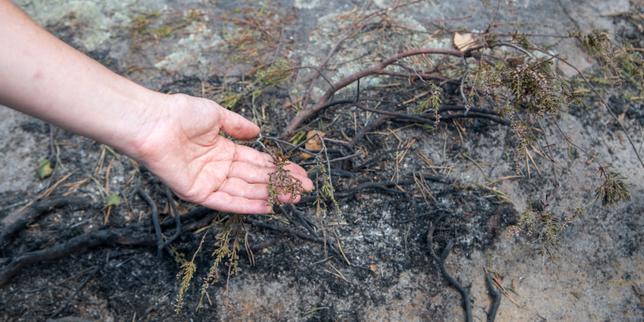
The ecological consequences of forest fires are challenging to quantify and depend on various factors, including fire intensity and frequency, which can be particularly damaging to ecosystems. Despite the initial appearance of complete devastation, signs of life often persist, offering a glimmer of hope for recovery. The slow process of forest regeneration highlights the resilience of nature, even in the face of extreme environmental events. Understanding these dynamics is crucial for effective conservation and restoration efforts. The long-term impact of fires on biodiversity and ecosystem services remains a significant area of study for environmental scientists. Efforts to monitor and support forest regrowth are essential for mitigating the effects of climate change-induced wildfires. The return of vegetation, even in its early stages, signifies the potential for ecological balance to be restored over time. This ongoing recovery process underscores the importance of patience and continued observation in assessing the true impact of such natural disasters.
The ecological impact of wildfires is a complex interplay of environmental factors, with intensity and frequency being key determinants of ecosystem damage. While fires can cause significant immediate destruction, the persistence of life and the potential for slow recovery demonstrate nature's inherent resilience. Future forest management strategies will need to account for increased fire risks, potentially integrating adaptive approaches that support natural regeneration processes. Understanding the long-term dynamics of post-fire ecosystems is crucial for developing effective conservation policies in an era of accelerating climate change.
AI-generated to prompt reflection — not editorial opinion, not advice, not a statement of fact. How this works.