After Gironde Fires, Stop Planting 'Time Bombs,' Says EcoTree CEO
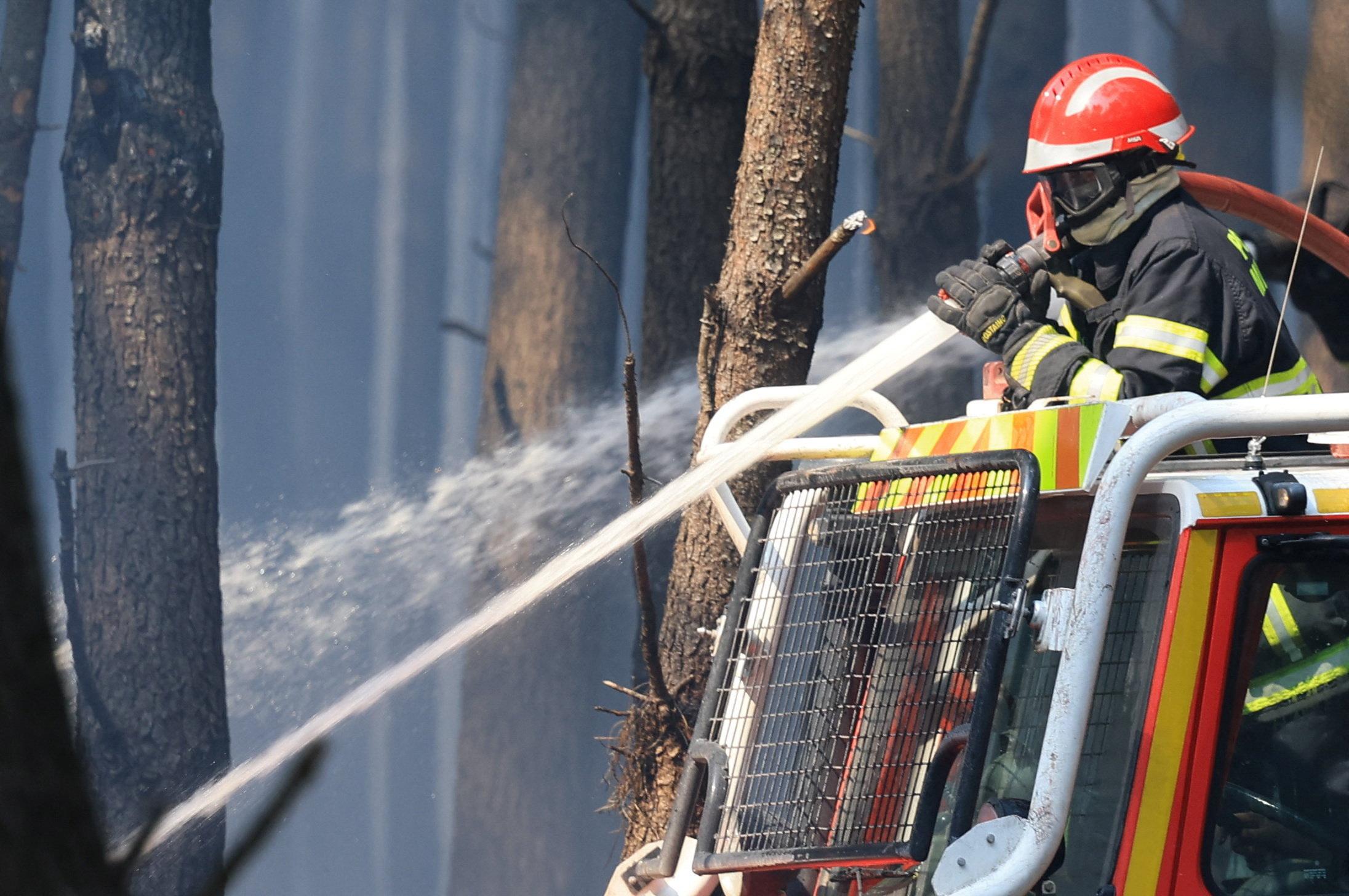
Following the conclusion of the devastating wildfires in Gironde, France, Théophane Le Méné, the CEO of EcoTree, is urging a critical re-evaluation of reforestation strategies. He warns that simply replanting the same type of forest in the devastated areas without addressing underlying issues could lead to a repeat of the disaster in the future. Le Méné emphasizes the need to consider how and under what conditions new trees are planted to ensure long-term resilience against fires. He argues that continuing current practices, particularly regarding the supply of combustible materials, will result in planting forests that are essentially 'time bombs,' destined to burn again in approximately twenty years. This perspective highlights a potential systemic flaw in post-fire recovery efforts, suggesting that immediate replanting without strategic adaptation could perpetuate a cycle of destruction.
The recent megafires in Gironde underscore a critical challenge in forest management: balancing immediate recovery with long-term ecological resilience. The call to avoid planting 'time bombs' suggests that current reforestation models may prioritize rapid biomass regeneration over species diversity and fire-resistant characteristics. This approach, while seemingly efficient in the short term, could exacerbate future fire risks due to the accumulation of combustible material. Future forest management strategies will likely need to integrate climate change projections and adaptive silviculture, potentially involving a wider array of species and altered landscape structures to mitigate the escalating threat of wildfires in an era of increasing environmental stress.
AI-generated to prompt reflection — not editorial opinion, not advice, not a statement of fact. How this works.