Agatha Christie's Literary Universe Continues to Generate Millions 50 Years Later
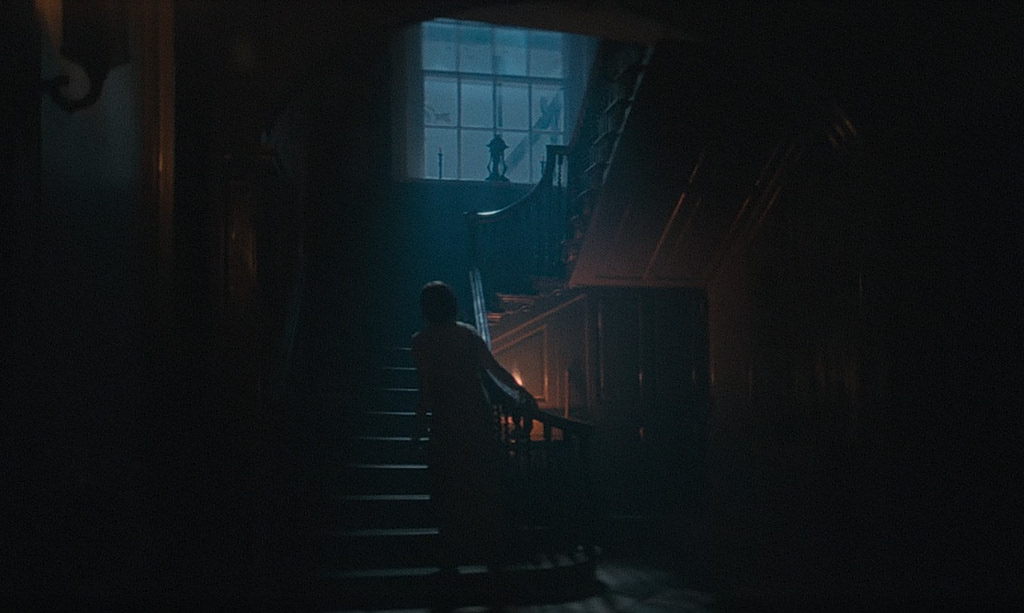
Fifty years after Agatha Christie penned her final detective novel, her books continue to generate substantial revenue. Modern television adaptations, such as Netflix's series "Seven Dials," demonstrate that the global appeal of the "Queen of Mystery" remains undiminished. Agatha Christie Limited, the company managing the author's intellectual and commercial rights, is overseen by her great-great-grandson and continues to leverage her enduring legacy. The enduring popularity of Christie's works highlights a sustained interest in classic detective fiction and its adaptability to contemporary media. This ongoing financial success underscores the lasting impact of her storytelling on popular culture and the publishing industry. The continued relevance of her characters and plots, even decades after their creation, speaks to the universal themes and intricate mysteries she masterfully crafted. The financial returns are a testament to the enduring power of her brand and the strategic management of her estate.
The enduring commercial success of Agatha Christie's literary estate, fifty years after her last novel, illustrates the powerful longevity of well-crafted intellectual property. This sustained revenue stream, bolstered by contemporary media adaptations like "Seven Dials," suggests that classic mystery narratives possess a timeless quality that transcends generational shifts. The effective management by Agatha Christie Limited indicates a strategic approach to maintaining brand relevance, balancing heritage with modern distribution channels. This phenomenon raises questions about the future of literary estates in the digital age, particularly concerning how intellectual property can be continually revitalized to capture new audiences while satisfying existing fan bases. The case of Christie's works offers a model for understanding the long-term economic potential of cultural artifacts when supported by astute stewardship and creative reinterpretation.
AI-generated to prompt reflection — not editorial opinion, not advice, not a statement of fact. How this works.