Agefop Study: Ivorian Youth Prefer Policing Over Agriculture, "Skills Passport" Proposed
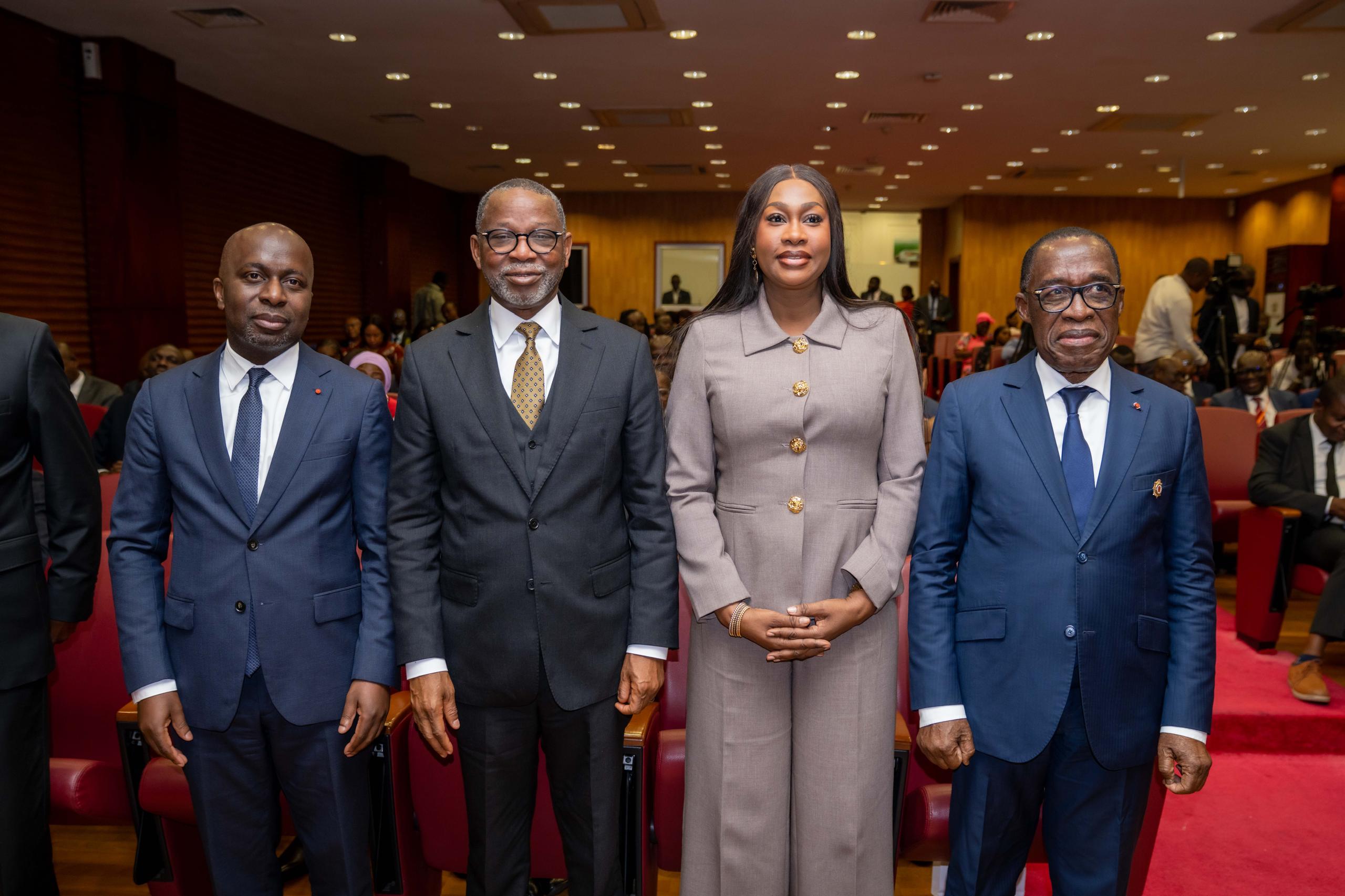
A recent study by the Agefop (Agency for Employment and Vocational Training) in Côte d'Ivoire has revealed a significant shift in career aspirations among young people. The findings, presented at an event in the Primature auditorium on Thursday, June 18, 2026, indicate that many Ivorian youth are not interested in pursuing careers in agriculture. Instead, they express a strong desire to become police officers. This trend suggests a potential disconnect between traditional economic sectors and the evolving ambitions of the younger generation. In response to these findings and the broader need for vocational guidance, the Agefop is proposing the implementation of a "Skills Passport" program. This initiative aims to better equip young Ivorians with the necessary competencies and guidance to navigate the job market effectively. The program is intended to bridge the gap between their aspirations and available opportunities, potentially by highlighting diverse career paths and skill development pathways. The Agefop's study and proposed solution underscore the dynamic nature of youth employment trends and the importance of adaptive training and career counseling.
The Agefop study highlights a potential societal shift in Ivorian youth's career preferences, moving away from agriculture towards public service roles like policing. This divergence may reflect changing perceptions of economic stability, social status, and future prospects associated with different professions. The proposed "Skills Passport" initiative could serve as a mechanism to address this trend by providing structured guidance and skill development, potentially redirecting interest towards sectors vital for national development or aligning aspirations with market demands. Examining the underlying socio-economic factors influencing these preferences, such as urbanization, perceived job security in public service, and the modernization of agricultural practices, will be crucial for long-term policy formulation. Understanding these dynamics can help foster a more balanced approach to workforce development that meets both individual aspirations and national economic imperatives over the next decade.
AI-generated to prompt reflection — not editorial opinion, not advice, not a statement of fact. How this works.