Aging Bridges on Kaligandaki Corridor Make Travel Risky in Baglung-Gulmi
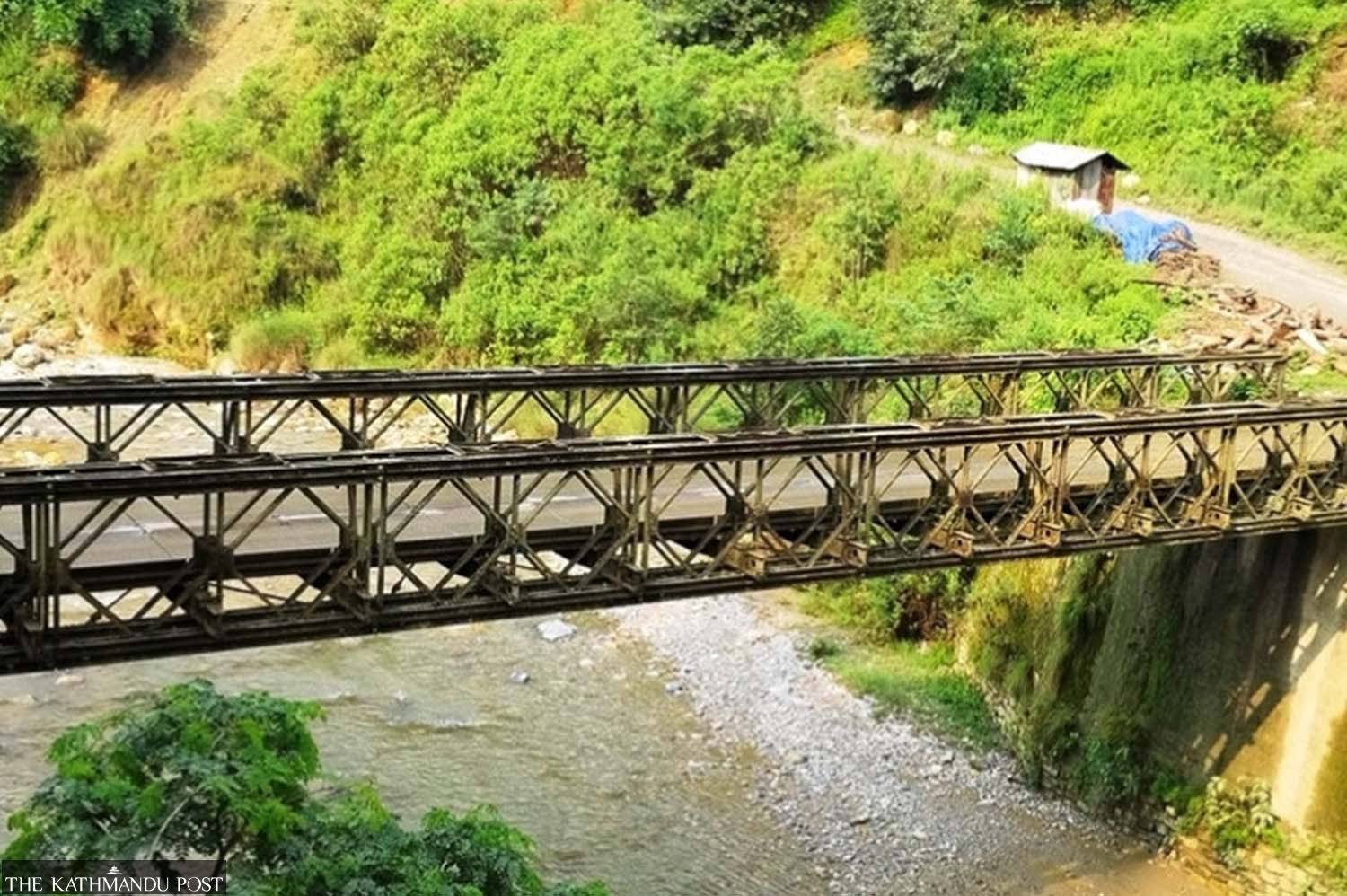
Travel along the Kaligandaki Corridor, specifically the Baglung-Gulmi stretch, has become increasingly risky due to the poor condition of approximately a dozen bridges. These bridges, originally constructed by the Nepali Army, have been in place for over a decade without replacement. Consequently, vehicles are compelled to traverse these aging structures under unsafe conditions. The situation is exacerbated by delays in crucial infrastructure upgrades that are needed to ensure the safety and reliability of this transportation route. The continued use of these deteriorating bridges poses a significant hazard to commuters and the transport of goods.
The prolonged neglect of essential infrastructure, such as the aging bridges on the Kaligandaki Corridor, highlights systemic challenges in Nepal's public works maintenance and upgrade cycles. The reliance on structures built over a decade ago without timely replacement suggests potential issues with budget allocation, project management, or the prioritization of infrastructure development. This situation creates significant economic and safety risks, potentially impacting trade, emergency services, and daily commutes. Addressing such recurring infrastructure deficits requires a robust, long-term strategy focused on proactive maintenance, efficient procurement processes, and sustainable funding models to ensure public safety and economic stability in the face of evolving transportation needs.
AI-generated to prompt reflection — not editorial opinion, not advice, not a statement of fact. How this works.