Agribusiness logistics hub with airport and warehouses to be built in Espírito Santo
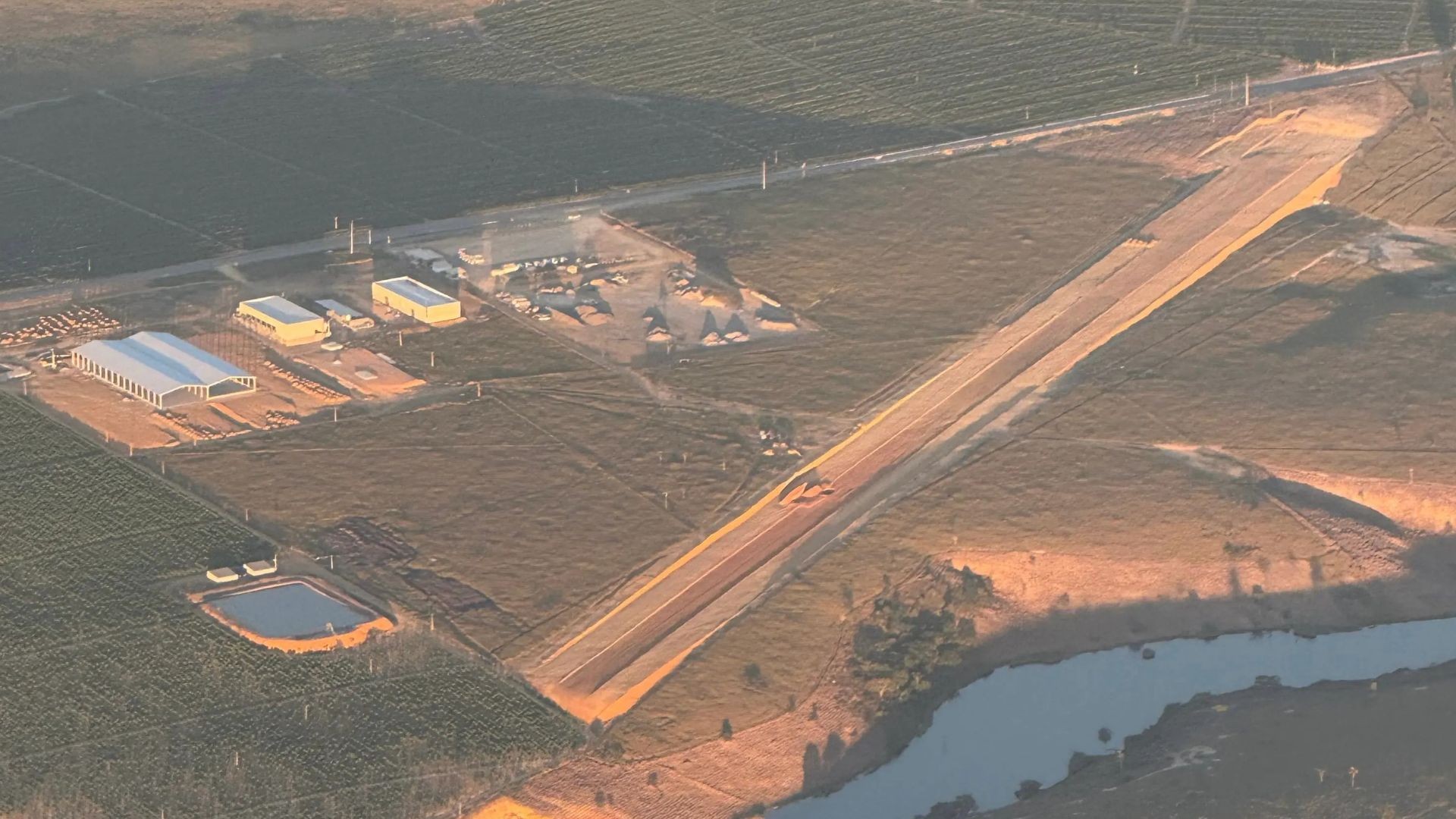
A significant agribusiness logistics complex is under development in Pinheiros, located in the northern region of Espírito Santo, Brazil. This expansive 350,000 square meter facility, named Orletti Park Log, will feature warehouses and a dedicated airport to support the growing agricultural sector of the region. The complex is designed to accommodate businesses involved in various aspects of agribusiness, including fertilizer production and distribution, as well as the trade of coffee and other local crops. Thiago Orletti, the project's originator, highlighted the strong growth of regional agribusiness, particularly conilon coffee and pepper cultivation. He also envisions diversifying the complex's activities beyond its initial focus. The total investment amount has not been disclosed. The facility will initially house a coffee trading company and a business focused on fertilizer blending, manufacturing, and distribution. Orletti sees potential for fruit packing houses, other service providers, agro-industrial operations, and general commerce. The airport, a key feature of the project, will boast a 1,100-meter runway capable of handling night flights and will include a hangar for aircraft storage and passenger reception. The paving of the runway is scheduled to begin in August, after which the project team will seek authorization from the National Civil Aviation Agency (ANAC). Construction of the initial warehouses is nearing completion and is expected to commence operations in the coming weeks. In 2025, Espírito Santo exported $186.2 million to the Middle East, with coffee and black pepper being prominent exports.
The development of this large-scale logistics hub in Espírito Santo signifies a strategic response to the increasing demands of regional agribusiness, particularly for efficient transportation and storage of high-value commodities like coffee and pepper. The integration of an airport directly into the logistics complex aims to significantly reduce transit times and enhance connectivity for both domestic and international trade. This infrastructure investment reflects a broader trend of modernization within Brazil's agricultural sector, driven by the need to improve competitiveness and access global markets. The project's success will likely depend on factors such as regulatory approvals, operational efficiency, and the continued growth of the agricultural output it serves. Future developments could explore further integration with value-added processing and advanced supply chain technologies to maximize economic benefits.
AI-generated to prompt reflection — not editorial opinion, not advice, not a statement of fact. How this works.