Agricultural Culture Fades as Modernization Takes Hold
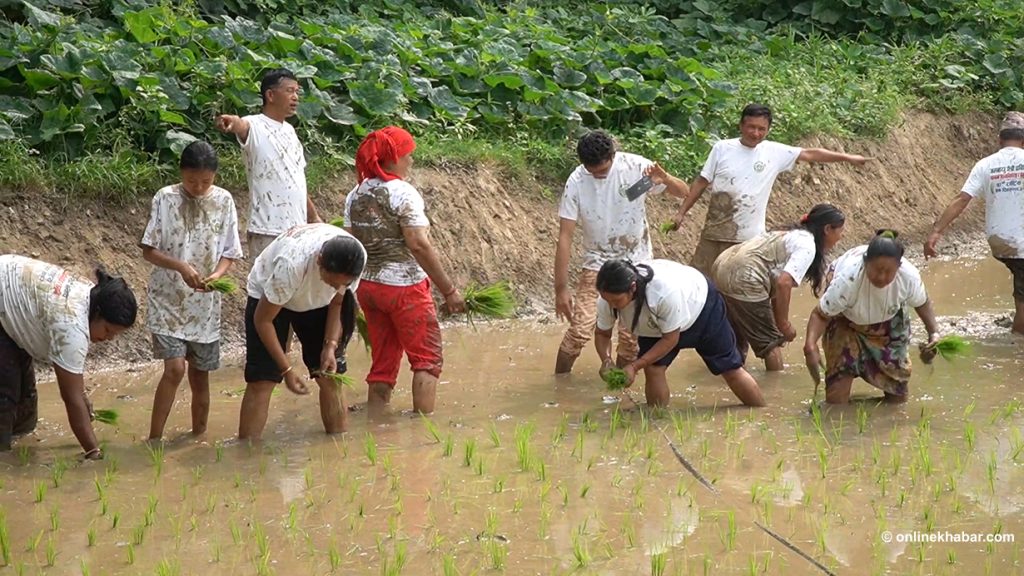
In the past, the onset of Asar (mid-June to mid-July) would transform villages, not just with rice seedlings, but with the vibrant spirit of traditional songs and collective labor. The sight of transplanting farmers standing in muddy fields, the calls of the 'bausé' (leader of the transplanting team), the rhythm of 'naumati baja' (traditional nine-instrument ensemble), and the 'asare' songs echoing across the fields turned rice transplanting into a joyous festival rather than mere agricultural work. This cultural celebration, once a hallmark of rural life, is now gradually disappearing. The modernization of agriculture and changing lifestyles have led to the neglect of these cherished traditions. Asar used to be a time of communal gathering and shared effort, fostering a strong sense of community and cultural identity. The songs and music were not just entertainment but also a way to pass down agricultural knowledge and cultural heritage. However, with the introduction of new farming techniques and a shift towards individualistic practices, these collective rituals are being forgotten. The vibrant atmosphere of Asar, once filled with the sounds of music and laughter, is slowly fading into silence, replaced by the quiet efficiency of modern farming methods. This shift signifies a loss of cultural heritage and a disconnect from the traditional agricultural practices that sustained communities for generations.
The decline of traditional agricultural festivals like the Asar transplanting rituals reflects a broader societal shift driven by modernization and changing economic incentives. As agricultural practices become more mechanized and individualistic, the communal and cultural dimensions that once defined these events are diminishing. This transition, while potentially increasing efficiency, raises questions about the preservation of cultural heritage and the social fabric of rural communities. The shift from collective celebration to individualistic labor may have long-term implications for social cohesion and the transmission of traditional knowledge. Understanding the drivers behind this cultural evolution is crucial for developing strategies that balance progress with heritage preservation in the agricultural sector.
AI-generated to prompt reflection — not editorial opinion, not advice, not a statement of fact. How this works.