AgroBV 2026 Event to Boost Roraima's Agribusiness with Expanded Infrastructure
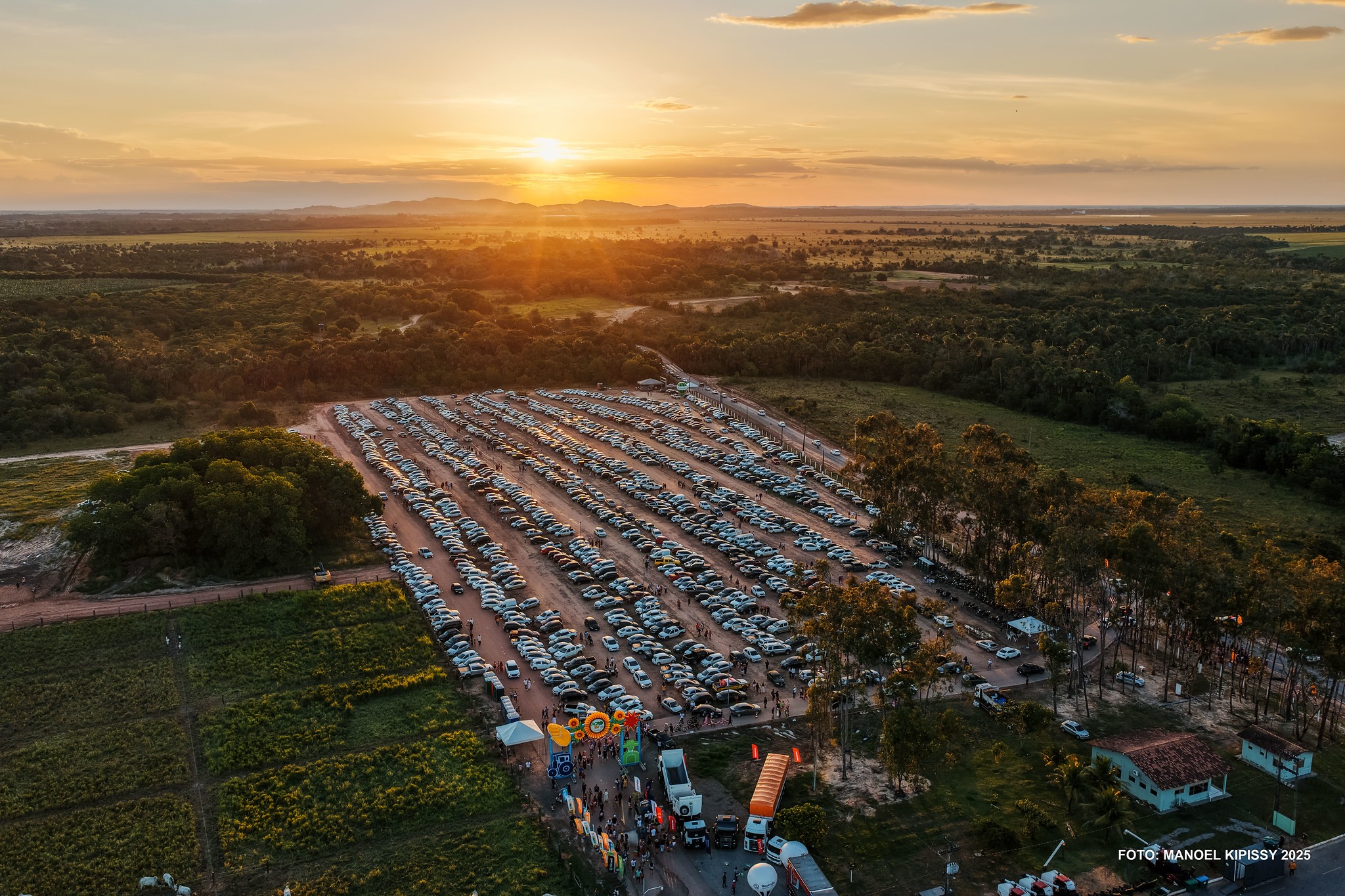
The AgroBV 2026 event, set to take place from July 30 to August 2 at the Bom Intento region's Technology Dissemination Center (CDT), aims to significantly boost Roraima's agribusiness sector. Spanning 50 hectares, the event is designed to connect rural producers, businesses, financial institutions, and the general public, thereby stimulating various economic sectors. Municipal Secretary of Agriculture and Indigenous Affairs, Cezar Riva, highlighted the event's growth into an innovation and opportunity hub, emphasizing investments in new spaces like the Fazendinha Kids and increased participation from producers and institutions as key drivers for state development.
This year's AgroBV features 22 hectares dedicated to cultivating crops such as corn, soybeans, sunflowers, and grass, underscoring its technical focus. A notable expansion is the Fazendinha Kids area, which now includes a fish tank stocked with matrinxã, tambaqui, and pirarucu, offering an educational experience. A large 3,000 square meter food court will host 20 stalls for family farming producers to sell their goods, alongside four restaurants and a nearby barbecue house. The event also provides 20 spaces for entrepreneurs from the Municipal Agency for Entrepreneurship (AME) and 15 for food vendors, plus an additional covered area for sellers of clothing, crafts, and other non-food items. In total, 192 exhibition spaces are available, with 80 companies confirmed to participate, some requiring up to five lots for large machinery. A dedicated corral will be set up for the exhibition, sale, and auction of bulls.
The AgroBV 2026 event represents a strategic initiative by Roraima's authorities to leverage agricultural potential as an economic development engine. By consolidating diverse stakeholders—from producers to financial institutions—under one platform, the event aims to foster market linkages and technological diffusion. The significant investment in infrastructure, including dedicated cultivation areas and expanded family-friendly zones, signals a commitment to both the technical and community aspects of agribusiness. Future iterations could explore deeper integration with digital platforms to enhance market access beyond the event's physical scope and to track the long-term economic impact on participating producers and businesses. Analyzing the event's success will require measuring not only immediate economic activity but also the sustained growth and innovation it inspires within the regional agricultural ecosystem over the next decade.
AI-generated to prompt reflection — not editorial opinion, not advice, not a statement of fact. How this works.