AI Accelerates Development of Advanced CRISPR Gene Editing Tools
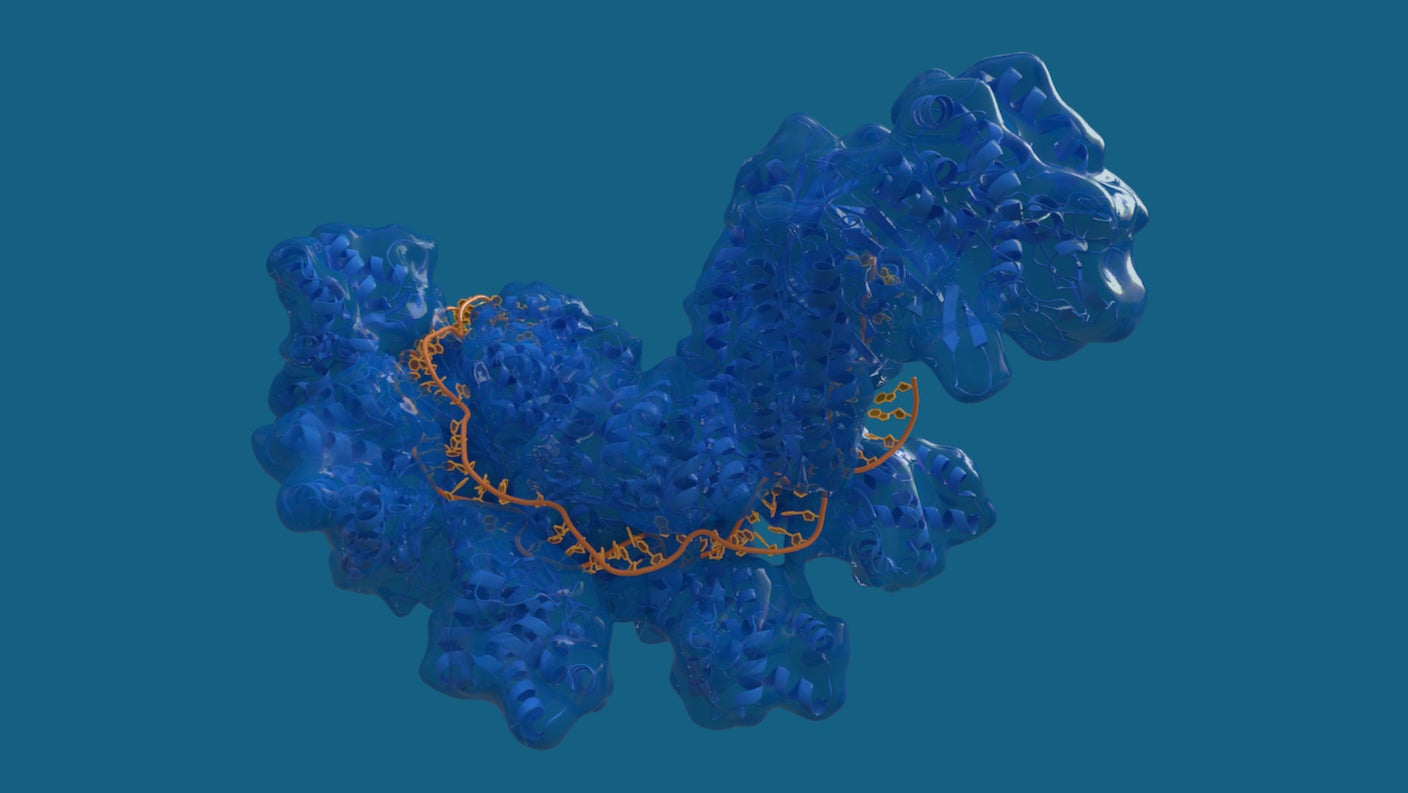
Scientists are leveraging artificial intelligence, including algorithms like DeepMind's AlphaFold, to enhance the capabilities of CRISPR gene editing technology. This integration aims to improve the precision and efficiency of CRISPR systems, making them more effective for various applications. The use of AI in designing these gene editors represents a significant step forward in biotechnology. Researchers are exploring how machine learning can predict and optimize the performance of CRISPR components. This advancement holds promise for accelerating discoveries in genetic research and therapeutic development. The collaboration between AI and gene editing technologies is expected to unlock new possibilities in medicine and beyond. The development signifies a growing trend of AI-powered innovation across scientific disciplines. This approach could lead to more sophisticated and reliable gene editing tools in the near future.
AI's application in designing CRISPR gene editors signifies a paradigm shift towards data-driven biological engineering. By employing sophisticated algorithms, researchers can potentially overcome limitations in traditional design methods, leading to more precise and efficient gene editing outcomes. This integration highlights the growing synergy between computational power and biological sciences, accelerating the pace of innovation. The development could democratize access to advanced gene editing tools, provided ethical considerations and regulatory frameworks keep pace with technological advancements. Future implications may include personalized medicine and novel agricultural solutions, contingent on navigating complex societal and ethical landscapes.
AI-generated to prompt reflection — not editorial opinion, not advice, not a statement of fact. How this works.