AI Actor Tilly Norwood's Upcoming Film Raises Concerns About the Future of Entertainment
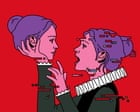
Tilly Norwood, an AI "actor" created by the company Particle6, is set to star in her first feature film, titled Misaligned. Norwood, described as a digital avatar designed to resemble a young woman, has previously appeared in social media clips and promotional materials. The film's plot involves Norwood's character being seduced by a rogue program, leading her to explore human emotions like desires, impulses, and ambition. Particle6 characterizes the movie as a "coming-of-age story infused with existential AI chaos." The author questions the authenticity and resonance of a coming-of-age narrative when the protagonist is a computer program lacking human experiences such as the passage of time, aging, mortality, or even simple daily routines. The piece highlights the increasing presence of AI in the entertainment industry and raises philosophical questions about the nature of acting and human connection in an increasingly digital world. Norwood's existence and upcoming film are presented as a signpost for the evolving landscape of media creation and consumption.
AI's increasing integration into creative fields like acting challenges traditional notions of performance and human connection. While AI-generated characters like Tilly Norwood offer novel avenues for storytelling and potentially reduce production costs, their development raises questions about authenticity and the value of human experience in art. The 'Tillyverse' narrative, while potentially engaging, risks devaluing the nuanced emotional depth and lived experiences that human actors bring to their roles. As AI capabilities expand, the entertainment industry faces a critical juncture: balancing technological innovation with the preservation of genuine human expression and artistic integrity. This evolution necessitates a thoughtful consideration of how AI can augment, rather than replace, the fundamental human elements that define compelling storytelling.
AI-generated to prompt reflection — not editorial opinion, not advice, not a statement of fact. How this works.