AI Agent-First Web Could Undermine Content Creators, Expert Warns
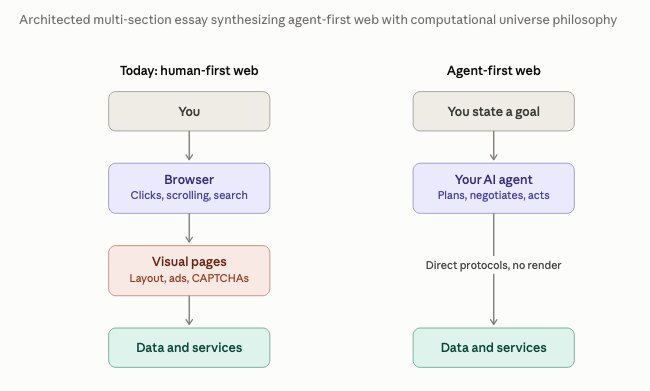
Demis Hassabis, CEO of Google DeepMind, predicts a significant shift towards an "agent-first web." In this future, AI agents will operate without requiring the human-style visual interfaces and renders that are common today. This fundamental change poses a potential disruption to the current internet ecosystem. The transition to a web designed for AI agents could have cascading effects on all industries that rely on human attention. The implications for content creators, who often depend on user engagement through traditional interfaces, are particularly concerning. This new paradigm may necessitate a reevaluation of how digital content is produced, distributed, and monetized. The shift could alter the economic models that support creators and publishers. The extent of this transformation and its precise consequences remain to be seen, but the potential for significant upheaval is clear.
The proposed shift to an agent-first web, as envisioned by Demis Hassabis, presents a potential paradigm change in digital interaction. If AI agents can bypass traditional human-centric interfaces, the economic incentives driving content creation may need substantial recalibration. Current models often rely on capturing human attention through visual displays and user engagement metrics. An agent-first architecture could prioritize direct data exchange and task completion, potentially devaluing content designed primarily for human consumption. This transition warrants careful consideration of intellectual property rights, fair compensation for creators, and the potential for new forms of digital gatekeeping. Understanding the evolving incentive structures will be crucial for navigating this future landscape.
AI-generated to prompt reflection — not editorial opinion, not advice, not a statement of fact. How this works.