AI Agents Booking Travel: Is Public Transport Losing Customer Interface?
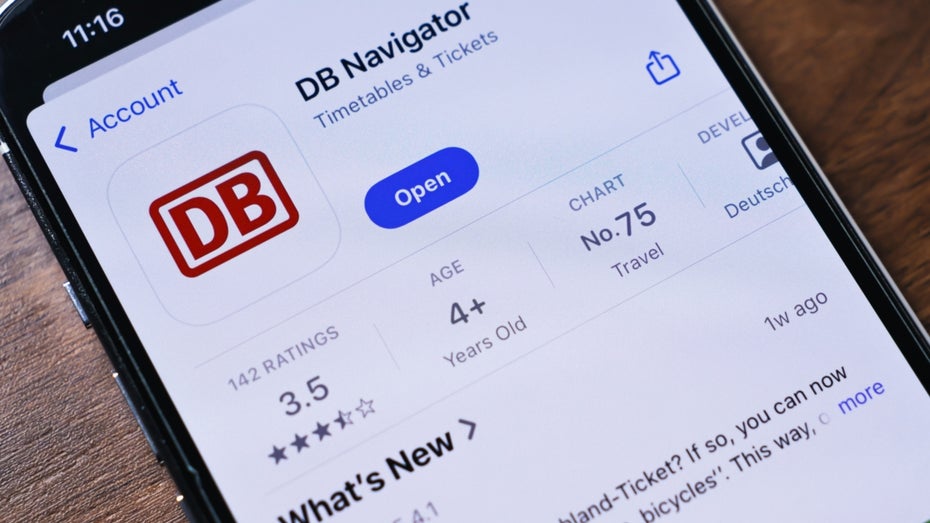
The customer of the future will simply speak a request, and their AI agent will handle all subsequent actions, including selection, booking, and payment. This shift poses a significant risk to the mobility sector, particularly public transport, as it threatens to cede the direct customer interface to major technology companies like Google and other Big Tech firms. The subscription model, historically a powerful tool for customer loyalty, is identified as the first area to come under pressure due to this evolving landscape. This development suggests a fundamental change in how consumers interact with and purchase mobility services, potentially diminishing the direct relationship between service providers and their users.
AI-driven personal assistants are poised to automate travel bookings, potentially disintermediating traditional mobility providers from their customer base. This transition highlights a critical strategic challenge: how can public transport and other mobility services retain direct customer engagement and loyalty when booking and payment processes are outsourced to third-party AI platforms? The subscription model's vulnerability indicates a need for service providers to innovate beyond traditional loyalty mechanisms, perhaps by offering unique data-driven personalized experiences or integrated services that AI agents cannot easily replicate. Future success may depend on adapting to an ecosystem where AI acts as the primary interface, requiring a strategic shift towards value propositions that transcend mere transactional convenience.
AI-generated to prompt reflection — not editorial opinion, not advice, not a statement of fact. How this works.