AI Aids Discovery of Ancient Antibiotics
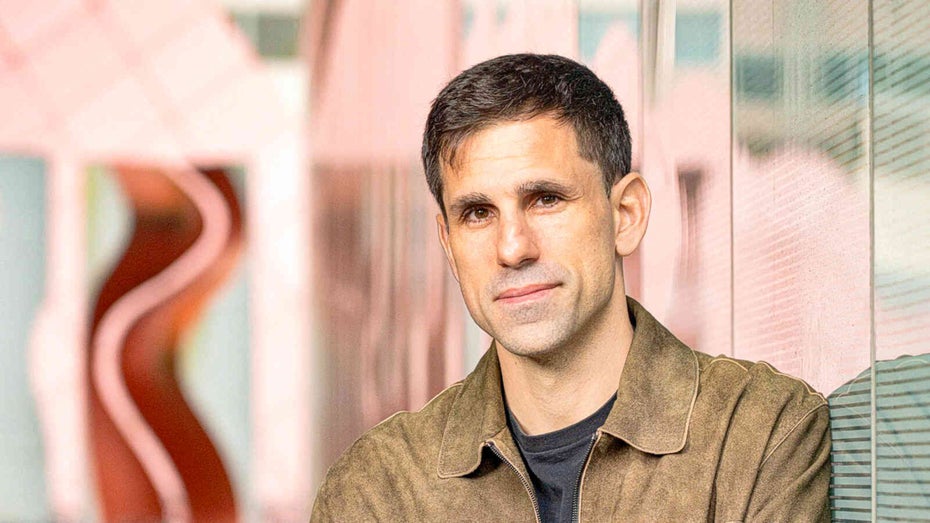
Researchers are employing artificial intelligence to rediscover ancient antibiotics that could combat drug-resistant bacteria. César de la Fuente is at the forefront of this effort, seeking compounds that do not induce resistance in bacteria. His approach combines AI with natural solutions to identify these potentially life-saving drugs.
The urgency for new antibiotics stems from the growing threat of antimicrobial resistance (AMR), which renders existing treatments ineffective. By looking to the past, specifically to molecules that evolved before widespread antibiotic use, scientists hope to find compounds that bacteria have not yet developed defenses against. This molecular archaeology could unlock a new generation of treatments.
AI is being leveraged to explore historical biological data for antibiotic compounds, aiming to circumvent current bacterial resistance mechanisms. This approach addresses the critical public health challenge of AMR by seeking novel molecular structures that have not been subject to evolutionary pressure from modern pharmaceuticals. The strategy highlights a potential paradigm shift in drug discovery, moving from synthetic creation to the rediscovery and adaptation of naturally evolved solutions. Future implications may involve more sophisticated AI-driven analysis of biological archives to identify and synthesize compounds that are both effective and sustainable against evolving pathogens.
AI-generated to prompt reflection — not editorial opinion, not advice, not a statement of fact. How this works.